
Dioclea violacea
Dioclea violacea
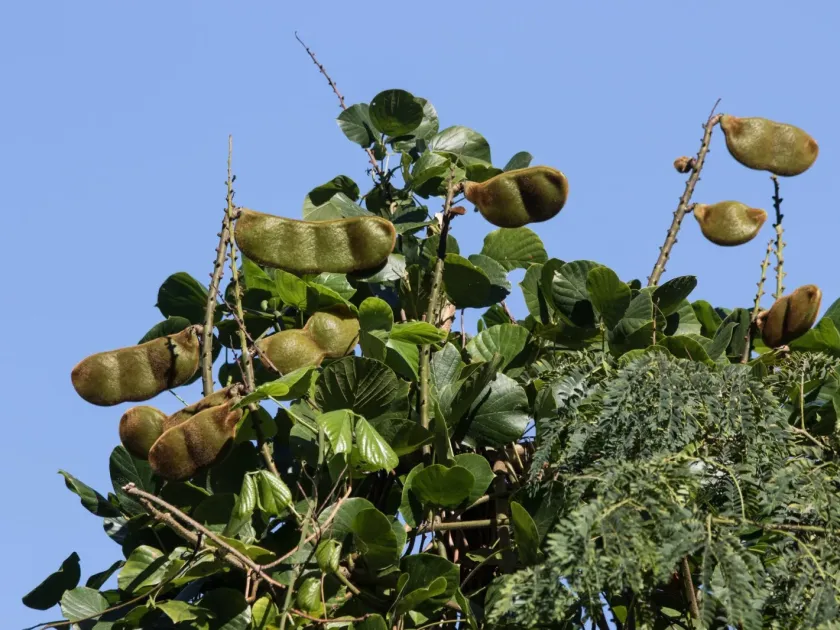
Description
Sowing dates
The sowing of Dioclea violacea in its native tropical range is typically synchronized with the onset of the rainy season. In regions with tropical climates, the optimal window for planting is when the soil is warm and adequately saturated with moisture following initial rains.
Successful seed germination requires a stable soil temperature of at least 20-22 degrees Celsius. Seeds are sown at a depth of 3-5 centimeters, which protects them from desiccation and promotes the rapid establishment of the primary root system.
Recommended planting density varies based on the cultivation goal, whether it is for green biomass or seed production. Commercial and experimental agriculture typically utilizes wide-row planting schemes, which allow the plant to develop its trailing vines fully.
Seed pretreatment is a significant factor in cultivation, as the dense seed coat requires scarification to improve field emergence. This technique ensures uniform sprouting across the entire field.
As a member of the Fabaceae family, the crop is capable of forming symbiotic relationships with nitrogen-fixing bacteria. Consequently, the application of inoculants during sowing can significantly improve the early development and growth of the crop.
Growing requirements
Dioclea violacea prefers open, well-lit areas. As a light-loving tropical species, it reacts negatively to shading, which leads to etiolated stems and a sharp decline in overall crop productivity.
The crop has moderate soil requirements, though it performs best in deep, well-drained loams. While the plant can tolerate temporary waterlogging, stagnant water in the root zone is detrimental to its health.
The optimal soil pH range for cultivating this species is between 6.0 and 7.0 (slightly acidic to neutral). Increased soil alkalinity can inhibit the uptake of essential micronutrients, potentially stunting growth.
During the growing season, the plant requires consistent moisture. While the species demonstrates some resilience to short dry spells, a steady water supply is essential for the formation of a high-quality pod yield.
The temperature regime must remain within standard tropical norms. The crop cannot tolerate freezing temperatures, making successful cultivation possible only in regions that remain frost-free throughout the entire vegetative cycle.
Yield
The yield of Dioclea violacea is directly influenced by the quality of agricultural management and the availability of support for its trailing vines. Intensive cultivation techniques using trellises significantly increase yield potential.
Under favorable tropical conditions, the crop produces significant vegetative biomass, which is utilized as green manure (siderate) or high-quality fodder for livestock.
Seed production indicators vary depending on pollination conditions. As the plant is entomophilous, the presence of natural pollinators, such as large bees, is critical for successful pod setting.
On average, the biological potential of the species allows for stable legume harvests with minimal fertilizer input, thanks to the plant's efficient natural nitrogen-fixing capabilities.
The economic utility of the crop includes seed propagation for expanding agricultural acreage and the processing of biomass into protein-rich animal feed, which is valuable for livestock health.
Main diseases and pests
The primary threats to the plantations are fungal diseases that thrive in conditions of high humidity. Various species of anthracnose and leaf spots can damage the foliage, significantly reducing photosynthetic activity.
Pests common to legume crops also pose a danger to Dioclea. These include weevils that damage seeds within the pods and aphids that can act as vectors for viral pathogens.
Effective disease control involves strict crop rotation, which breaks the development cycle of soil-borne pathogens. Preventive treatments with biological fungicides are also effective during periods of epiphytotic risk.
Pest populations can be effectively managed through the use of selective insecticides that have minimal impact on the beneficial pollinating insects necessary for seed production.
Regular monitoring of the fields allows for the timely identification of infection hotspots, enabling producers to prevent the spread of diseases or pest outbreaks at early stages and minimizing commodity losses.
Harvesting
Pod harvesting is conducted upon reaching full physiological maturity, indicated by a change in pod shell color and a characteristic dry rattle when touched. Avoiding over-maturation is vital to prevent pod shattering and seed loss.
For vegetative biomass collection, the harvest time is set during the peak flowering phase or the onset of fruit development. During this period, the nutrient and protein content in the stems and leaves reaches its maximum, ensuring high fodder quality.
Mechanization of the harvest can be challenging due to the vining growth habit; therefore, combined methods involving pre-cutting and subsequent field swathing are frequently employed.
Following harvest, the seed yield must be dried to a critical moisture level (approximately 12-14%), which is necessary for long-term storage without compromising seed viability or risking mold growth.
Storage of seed material should take place in cool, dry, and well-ventilated facilities protected from rodents and storage pests, ensuring the maintenance of germination quality until the next sowing season.