
Dioclea grandiflora
Dioclea grandiflora
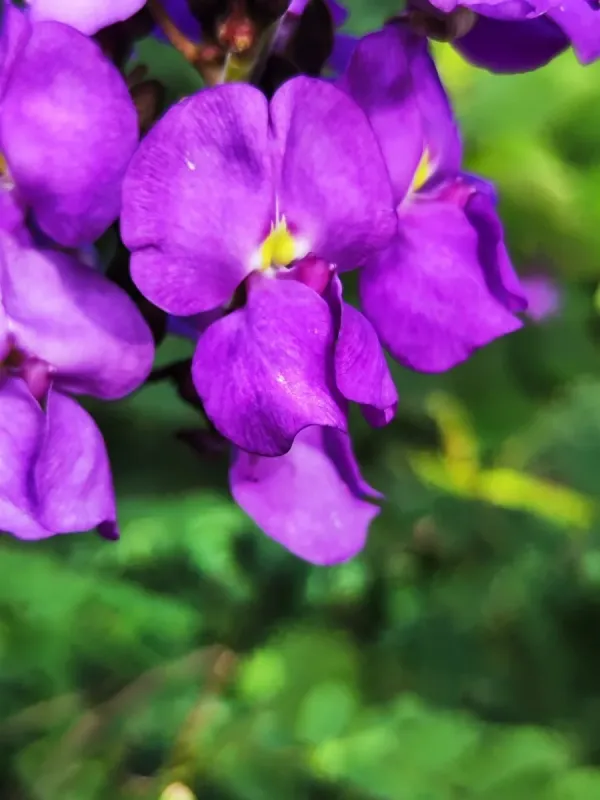
Description
Growing requirements
Dioclea grandiflora is a robust perennial vine belonging to the Fabaceae family. Native to the tropical landscapes of South America, it is widely recognized for its ecological role in nitrogen fixation.
The crop thrives in well-drained soil environments. It is notably resilient in acidic soil types commonly found in tropical climates, which makes it a suitable candidate for land reclamation and soil improvement projects.
Optimal growth requires consistent warmth and abundant sunlight. It does not tolerate frost, making it strictly a tropical or subtropical crop. Moisture levels should be steady to support its high biomass production.
Agricultural management requires the use of trellis systems or support structures because of its climbing growth habit. Proper spacing is essential to ensure adequate airflow and sunlight penetration to the foliage.
The primary utility of the plant lies in its application as high-protein forage for livestock. Additionally, its ability to fix nitrogen in the soil provides significant benefits for subsequent rotation crops.
Main diseases and pests
Like many tropical legumes, Dioclea grandiflora is susceptible to fungal pathogens, particularly under conditions of high humidity and poor ventilation. Leaf spot and root rot are common issues in managed stands.
Insect pests, including various beetles and lepidopteran larvae, pose a constant threat by feeding on the leaves and pods, which directly impacts the yield of the green mass and seed production.
Nematode infestations can severely compromise the root system, inhibiting the plant's ability to uptake water and nutrients effectively and reducing its nitrogen-fixing efficiency.
Bacterial wilt can spread rapidly if the crop density is too high or if the soil drainage is inadequate. Early detection and removal of infected plants are critical for maintaining healthy yields.
Effective management includes implementing a diverse crop rotation strategy and selecting planting sites with optimal soil drainage to minimize the conditions that favor pest and disease proliferation.