
Dioclea reflexa
Dioclea reflexa
Description
Growing requirements
Dioclea reflexa is a perennial climbing plant belonging to the Fabaceae family. This species is native to the tropical regions of Africa and parts of South America, where it thrives in moist forests and riparian habitats, showcasing its resilience in humid climates.
The plant demands high temperatures and consistent humidity throughout the growing season. As a tropical species, it cannot withstand freezing temperatures and requires a stable, frost-free environment to maintain its vigorous vegetative growth and reproductive potential.
In terms of soil, Dioclea reflexa prefers deep, well-drained soils rich in organic matter. While it shows some adaptability to different soil types, consistent moisture availability is key to its success. It grows best in loamy soils that maintain a neutral to slightly acidic pH.
Like many leguminous plants, this species participates in a symbiotic relationship with nitrogen-fixing bacteria in its root nodules. This ability allows the crop to contribute to soil health by naturally incorporating nitrogen, making it a valuable candidate for sustainable agroforestry systems.
As a climbing vine, the plant requires structural support, such as trellises or neighboring vegetation, to grow vertically and access light. Strategic management of light exposure is recommended to protect the plant from extreme heat while ensuring adequate photosynthesis.
Yield
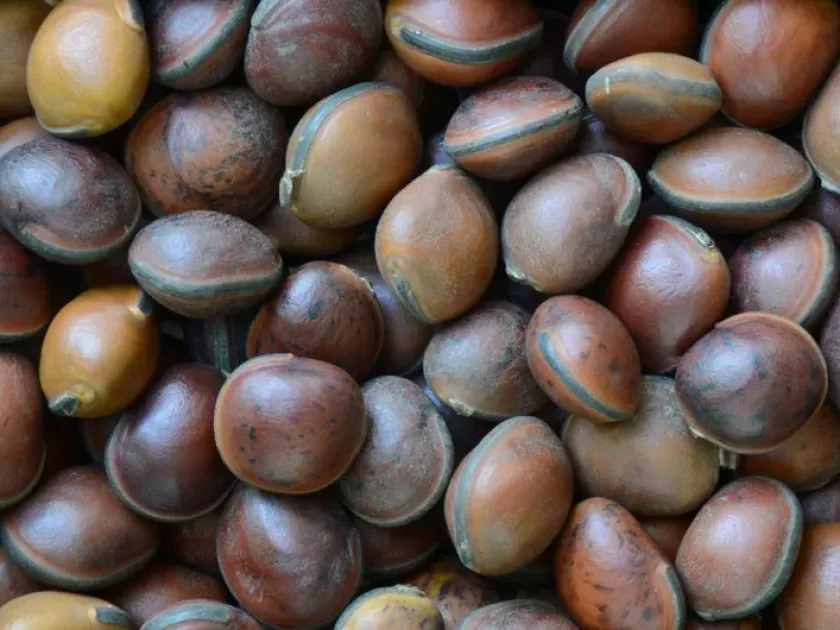
The primary agricultural interest in Dioclea reflexa lies in its seeds, which are a concentrated source of protein. In many regions, these seeds are harvested for food, although they must undergo rigorous processing and cooking to eliminate anti-nutritional compounds.
Beyond human consumption, the plant serves as a vital source of green manure. Its rapid biomass production makes it an excellent choice for improving soil structure and fertility in degraded tropical landscapes, acting as a natural fertilizer in crop rotation.
The stems of the vine are highly valued for their durable fibers. In local traditional practices, these fibers are harvested and processed into ropes, baskets, and fishing gear, providing a secondary income source for farmers alongside the main seed crop.
Yield productivity is significantly influenced by plantation density and the availability of support structures. Efficient management of the plant's climbing habits ensures better flower and pod distribution, leading to higher seed outputs throughout the productive life of the plant.
Recent research indicates potential uses of the plant's secondary metabolites in pharmaceutical and industrial applications. This has spurred interest in selecting high-yield varieties that can provide consistent amounts of valuable compounds for scientific research.
Main diseases and pests
Root rot is among the most significant threats to Dioclea reflexa, particularly in areas with poor drainage or during seasons of excessive rainfall. Proper soil management and the implementation of drainage channels are essential to mitigate this risk.
Various insect pests, including leaf-eating caterpillars and beetles, can cause extensive damage to the foliage, which reduces the plant's energy production capacity. Integrated pest management strategies, such as biological control, are recommended for large-scale production.
Stored seeds are highly vulnerable to bruchid beetles, which can destroy the nutritional value of the harvest if not handled correctly. Drying the seeds thoroughly and storing them in airtight, pest-free environments is necessary to prevent significant post-harvest losses.
Competition from aggressive weeds is a primary concern during the initial stage of growth. Ensuring the ground is kept free from competing vegetation during the establishment phase is critical for the vine to gain enough vigor to compete for resources effectively.
Fungal leaf diseases such as anthracnose can thrive in high-humidity tropical conditions. Farmers should prioritize adequate spacing between plants to improve airflow and reduce the chances of rapid disease spread within the plantation.