
Dioclea megacarpa
Dioclea megacarpa
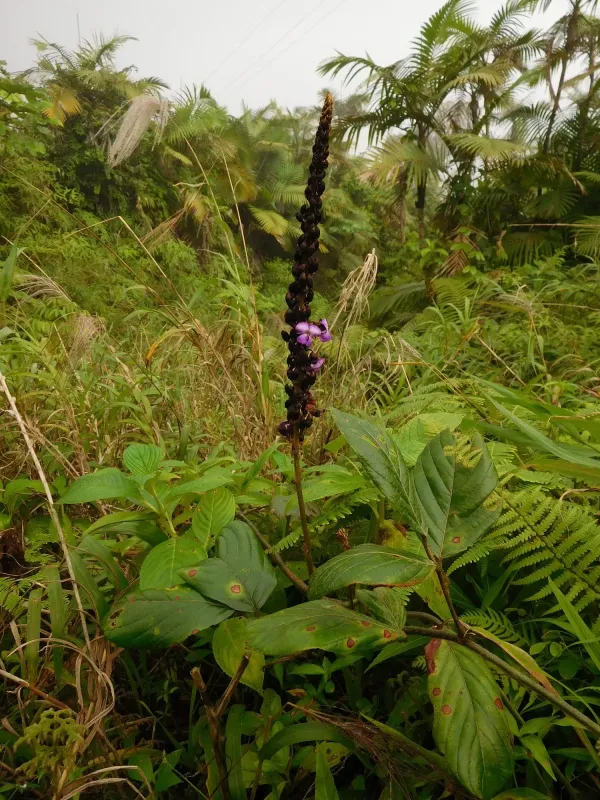
Description
Sowing dates
Dioclea megacarpa, being a tropical vine, requires specific conditions for successful propagation. Sowing should ideally occur at the start of the rainy season when soil temperatures remain consistently above 22-25 degrees Celsius.
The seeds possess a hard seed coat, making mechanical or chemical scarification essential for uniform and rapid germination. This process allows moisture to penetrate the protective outer layer efficiently.
Sowing depth should be managed at approximately 3 to 5 centimeters. Planting deeper can lead to sprout exhaustion before reaching the surface, while shallower planting risks drying out the seed.
In managed nursery environments, using high-quality potting substrates with good drainage is recommended to prevent waterlogging, which is a common cause of seedling mortality in leguminous species.
Adequate space between seedlings must be maintained from the start to ensure sufficient air circulation, which is vital for preventing the development of early-stage fungal diseases in tropical environments.
Growing requirements
This species is highly adapted to tropical light conditions. While it thrives in full sun, it also tolerates partial shade typical of forest edges, provided there is enough light for robust photosynthesis.
Soil requirements include high organic matter content and a neutral to slightly acidic pH. The plant benefits from well-drained loamy soils that can retain moisture without becoming waterlogged.
As a vigorous climbing plant, Dioclea megacarpa necessitates sturdy vertical supports. Without adequate structure, the plant will trail on the ground, which significantly increases the risk of soil-borne pathogens and decay.
The optimal temperature range for growth is between 20 and 30 degrees Celsius. The plant is extremely sensitive to thermal fluctuations and must be shielded from cold drafts or temperatures dropping near freezing.
Consistent water availability is critical throughout the vegetative cycle. However, farmers must balance irrigation carefully, as excessive soil moisture can hinder nitrogen-fixing bacteria in the root nodules.
Yield
The agricultural yield is centered on the production of protein-rich seeds found within the woody pods. Productivity is significantly enhanced by proper pruning, which redirects plant energy from excessive vegetative growth to flower and fruit development.
The plant reaches its peak reproductive maturity after the first or second year, depending on local environmental conditions and the intensity of horticultural management applied to the vineyard-like structures.
Nutrient management, specifically the application of phosphorus and potassium, plays a pivotal role in pod set and seed filling. Balanced fertilization ensures the high nutritional value of the harvest.
Harvesting should be timed when pods are fully mature and beginning to dry. Careful handling is necessary to prevent premature pod dehiscence, which could result in significant seed loss on the field.
Post-harvest processing involves thorough drying and cleaning. Proper storage conditions are essential to maintain seed viability and nutritional quality for future agricultural or industrial applications.
Main diseases and pests
The primary threats include fungal diseases such as anthracnose and various types of mildew, which thrive in high-humidity conditions. Maintaining plant spacing and optimizing airflow are essential cultural practices for mitigation.
Insects, including various aphids and leaf-eating caterpillars, can cause substantial damage to the foliage. Implementing integrated pest management (IPM) is highly recommended to protect the crop.
- Regular monitoring of the undersides of leaves for early signs of infestation.
- Removal and disposal of infected plant parts to prevent disease transmission.
- Applying bio-pesticides that target specific pests while preserving beneficial pollinator populations.
Root rot is a significant concern for established plants, often stemming from poor drainage or over-irrigation. Prevention through strict moisture control remains the best defense against these silent killers.
Effective crop management should prioritize the long-term health of the soil microbiome, as healthy root nodules are vital for the natural nitrogen-fixing capabilities that support the overall vitality of Dioclea megacarpa.