
Dioclea virgata
Dioclea virgata
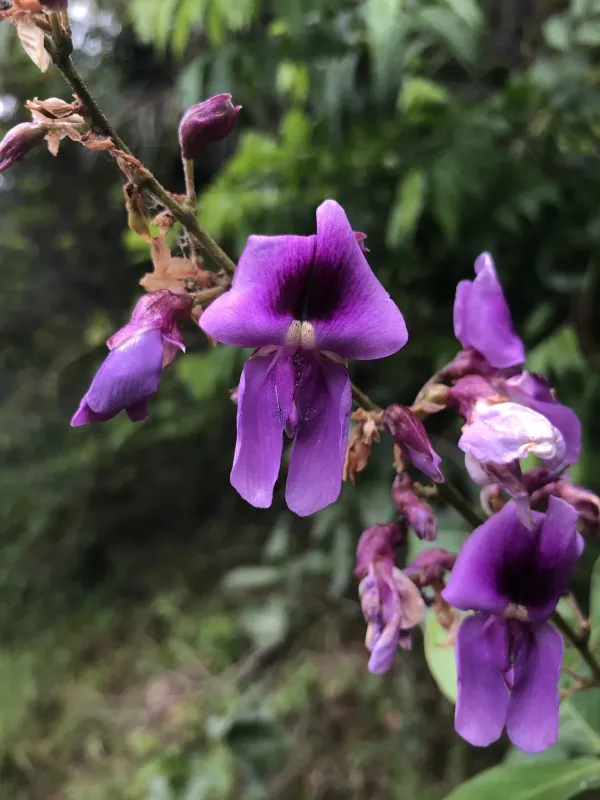
Description
Growing requirements
Dioclea virgata is a perennial woody vine belonging to the Fabaceae family. Native to the tropical regions of Central and South America, it is adapted to warm, humid environments that remain stable throughout the growing season.
The plant thrives in deep, well-draining soils with a neutral to slightly acidic pH level. It requires consistently high air humidity and protection from harsh, drying winds that can cause stress to the foliage.
Optimal growth is achieved in tropical climates where temperatures do not drop below moderate levels. It is highly sensitive to frost, which makes it suitable only for specific frost-free agricultural zones.
From an agrotechnical perspective, Dioclea virgata requires sturdy support structures, such as trellises or companion trees, to facilitate its growth habit as a climbing liana and to maximize photosynthetic efficiency.
The crop's primary agricultural interest lies in its role as a potential nitrogen-fixing species, which can contribute to soil fertility enrichment and provides a source of biomass in integrated land-use systems.
Main diseases and pests
The crop is susceptible to various fungal pathogens, particularly leaf spot diseases that thrive in the humid tropical conditions where the plant is typically cultivated.
Invertebrate pests, including lepidopteran larvae and various beetles, are known to feed on the leaves, potentially reducing the photosynthetic capacity and overall biomass yield of the plant.
Effective management includes maintaining proper spacing between plants to enhance airflow and reducing micro-climates that favor fungal growth within the canopy.
Integrated pest management strategies should prioritize biological controls and environmentally friendly treatments to preserve the soil microbiome associated with the nitrogen-fixing properties of the plant.
Routine monitoring for early signs of infection or infestation is essential for maintaining crop health, as rapid response to localized outbreaks can prevent significant damage to the overall plantation.