
Dioclea hexandra
Dioclea hexandra
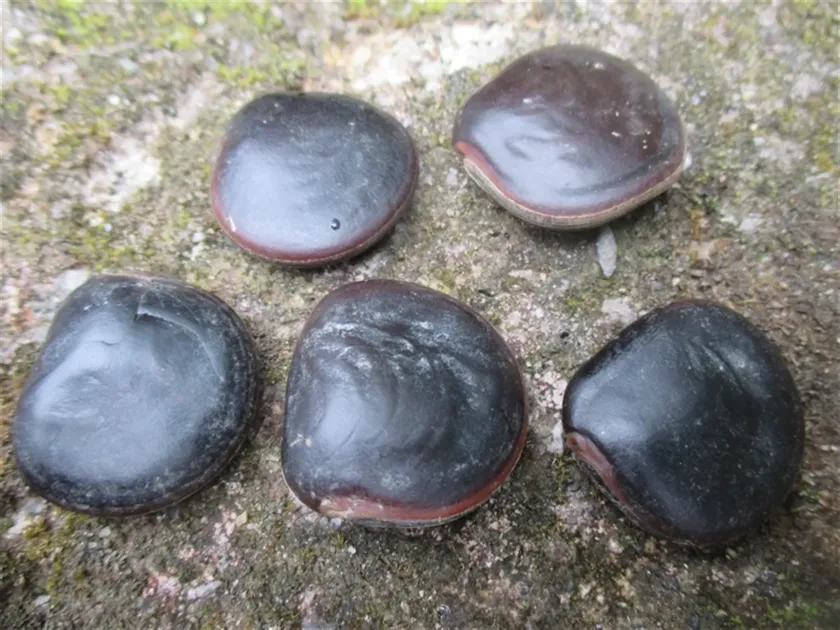
Description
Sowing dates
In its native range, sowing generally coincides with the onset of the rainy season to ensure adequate moisture levels for seed germination and root establishment.
Seeds germinate efficiently at soil temperatures ranging from +25 to +30 degrees Celsius. Scarification of the seed coat prior to planting is recommended to improve germination rates.
When grown commercially, seeds are sown at a depth of 3 to 5 centimeters. Adequate irrigation during the first few weeks is necessary to support the establishment of the seedlings.
Spacing between plants should be at least 2 to 3 meters to prevent overcrowding and ensure sufficient air circulation, which is vital for disease management in vines.
Due to its climbing habit, providing structural support such as trellises or wooden stakes is essential for successful cultivation and easier management of the plant's growth.
Growing requirements
Dioclea hexandra is a woody vine belonging to the Fabaceae (legume) family. This perennial plant utilizes other trees as natural supports in its native habitat, showing vigorous vertical growth.
The species originates from the tropical regions of Central and South America. Its natural range includes humid forests and coastal areas, where it thrives under consistently warm conditions.
The crop requires significant sunlight for optimal biomass production, although it can tolerate partial shade during its initial growth stages. High ambient humidity is essential for the healthy development of its leaves and stems.
It prefers fertile, well-drained soils with a slightly acidic to neutral pH level. Proper drainage is crucial to prevent root zone suffocation in tropical environments.
A key botanical feature is the plant's nitrogen-fixing ability through symbiosis with root bacteria. This process significantly improves soil fertility, making it a valuable candidate for agroforestry systems.
Main diseases and pests
Fungal diseases caused by excessive soil moisture and poor ventilation are the primary threats to Dioclea hexandra. Root rot can severely compromise the plant's structural integrity.
Leaf-chewing insects and various species of caterpillars are common pests that can damage the foliage and reduce the overall photosynthetic capacity of the vine.
Soil-borne nematodes represent a significant risk to the root system. Effective management includes crop rotation and the application of organic soil treatments to suppress nematode populations.
Mollusks can be problematic for young, vulnerable shoots in humid conditions, requiring regular monitoring and early intervention to prevent mass damage to the crop.
Integrated pest management, including the use of beneficial insects and biological control agents, is highly recommended to protect the crop without disrupting the local ecology.