
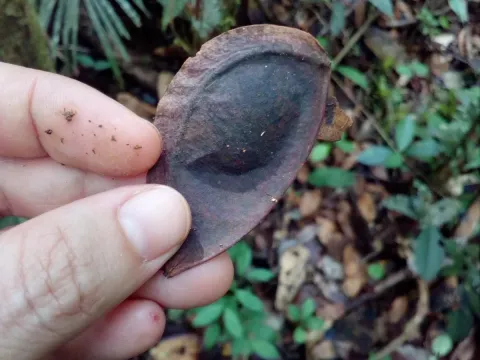
Dicorynia
Dicorynia
Dicorynia is a genus of tropical trees belonging to the Fabaceae family, often reaching significant heights within the rainforest ecosystem. These trees are characterized by their robust structure and their dominance in the forest canopy.
What the section contains


Dicorynia
Native to the tropical regions of South America, specifically the Amazon basin, Dicorynia thrives in environments with high annual rainfall and constant warm temperatures. It prefers deep, well-drained soils that support its extensive root system.
From a botanical perspective, the tree displays pinnate leaves and specific reproductive structures typical of the Caesalpinioideae subfamily. Its growth cycle is deeply adapted to the competition for light and nutrients within a dense tropical forest.
Cultivation of Dicorynia requires specific silvicultural management techniques. Due to its slow growth rate in early stages, protection from excessive direct sunlight and competition from invasive undergrowth is essential for the establishment of healthy saplings.
The economic value of Dicorynia is primarily derived from its high-quality timber, known in the trade as Angélique. This wood is highly prized for its durability, resistance to rot, and strength, making it an excellent choice for marine and heavy-duty construction.
Dicorynia trees are susceptible to a variety of tropical wood-boring insects. These pests can compromise the structural integrity of the wood if not controlled, particularly in trees weakened by environmental stressors.
Fungal pathogens represent a significant threat to the health of Dicorynia populations, especially in areas with stagnant water or poor drainage. These fungi can lead to root decay and eventually the death of the tree if left unmanaged.
The impact of climate change, specifically unpredictable rainfall patterns in the Amazon basin, poses a long-term threat to the survival of the species. Drought stress can reduce the tree's natural resistance to diseases and insect attacks.
Sustainable forestry practices are crucial for the preservation of Dicorynia. Implementing integrated pest management programs helps minimize the reliance on chemical treatments while protecting the valuable timber resource from widespread infestation.
Deforestation remains the most significant threat to the species, leading to fragmentation of natural habitats. Conservation efforts focusing on the protection of primary forests are essential to ensure the longevity of these remarkable tropical trees.