
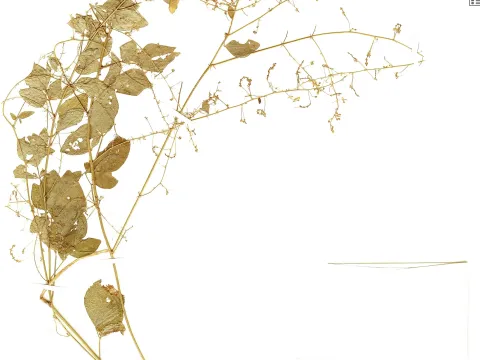
Desmodium micranthum
Desmodium micranthum
Desmodium micranthum belongs to the Fabaceae family. Sowing is best carried out in the spring when soil temperatures reach 15–18°C, which ensures optimal germination and strong seedling establishment.
What the section contains
Desmodium micranthum
Seeds should be planted at a shallow depth of 1–2 cm. Given the small size of the seeds, careful seedbed preparation is essential to ensure consistent soil moisture and good contact between the seed and the soil surface.
Scarification of the seeds is often recommended to overcome the physical dormancy caused by a hard seed coat. A sowing density of 40–60 plants per square meter is generally considered ideal for establishing a productive stand.
The crop requires a weed-free environment during the first 30 days of growth to prevent competition. Row planting with 15–20 cm spacing is the preferred method to allow for uniform development and easier management.
Adequate sunlight is critical during the early vegetative stages. Overcrowded fields can result in etiolated plants with weak stems, which increases the risk of lodging during the maturation phase.
The plant thrives in moderately moist, well-drained soils with a neutral to slightly acidic pH of 6.0–7.0. It does not tolerate waterlogging, which can lead to root rot and diminished vigor.
As a tropical and subtropical species, it is highly sensitive to frost. It requires a long, warm growing season to reach its full potential, making it unsuitable for regions with extreme cold.
Desmodium micranthum is capable of fixing atmospheric nitrogen through a symbiotic relationship with rhizobia, reducing the need for synthetic nitrogen fertilizers in a typical cropping system.
Moisture availability is crucial during peak growth. A consistent rainfall pattern or supplemental irrigation is required to maintain the high biomass production expected from this legume.
Phosphorus and potassium are essential for root development and overall plant health. Fertilizer application should be targeted according to soil testing results to maximize the growth rate and nitrogen fixation efficacy.
Yields of green biomass can reach 20–30 tons per hectare depending on management practices and soil fertility. Proper irrigation and nutrient management are the most significant factors in maximizing output.
When used as a green manure, the crop significantly improves soil structure. Its deep-reaching root system effectively breaks up compacted soil layers and contributes substantial organic matter upon incorporation.
The nutritional profile of the leaves makes it an excellent forage source for livestock, offering high protein content. It is widely used for hay or silage, providing high-quality feed for various animal species.
Seed production is heavily dependent on the presence of pollinators during the flowering stage. Encouraging bee activity within the field can substantially increase the final seed harvest yield.
With correct management, the crop can provide consistent yields over several years, especially if the cutting schedule allows for proper regrowth of the foliage after each harvest.
Nodule weevils are among the primary pests, as they target the roots and inhibit nitrogen-fixing capacity. Crop rotation and seed treatment are effective preventative measures against such infestations.
Fungal diseases like powdery mildew may occur in high-humidity conditions or poor ventilation. Maintaining optimal plant spacing and managing irrigation are critical for disease prevention.
Aphids can cause damage to the tender shoot tips, potentially transmitting viral pathogens. Integrated pest management, including the use of biological control agents, is recommended to keep aphid populations low.
Nematodes can be a concern in sandy soils. Using certified disease-free seeds and maintaining high soil health through organic matter application helps mitigate nematode damage.
Weed control is vital throughout the early growth cycle, as the plant is slow to establish initially. Mechanical weeding is often preferred to chemical options to protect the sensitive legume seedlings.
Harvesting for biomass should occur at the onset of flowering. This stage provides the best balance between dry matter yield and nutritional quality for fodder purposes.
For seed production, harvest timing is critical; wait until the pods have turned brown to ensure maturity. Harvesting too late can lead to heavy seed shattering losses in the field.
Using combine harvesters requires careful adjustment to avoid damaging the seeds. Proper setting of cylinder speeds is essential to maintain high seed viability for the next planting season.
Post-harvest processing involves thorough cleaning to remove field debris and drying the seeds to a moisture content of 12–14% to prevent degradation in storage.
Crop residues can be incorporated into the soil immediately after harvest. This practice recycles nutrients and builds soil fertility, serving as a sustainable approach to field management.