
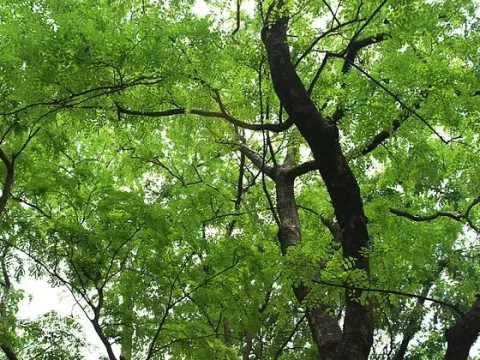
Derris robusta
Derris robusta
Propagation of Derris robusta is primarily achieved through seeds, which should be sown fresh to ensure high germination rates. In tropical nurseries, sowing is timed to coincide with the onset of the rainy season.
What the section contains
Derris robusta
Seedlings require consistent moisture during the early stages of development. Providing a well-structured, sandy-loam substrate helps in establishing a robust root system before the dry season begins.
Cuttings are another viable method for propagation, offering a way to maintain specific traits from superior mother plants. Cuttings should be taken from semi-hardwood stems and treated with rooting hormones.
Proper soil preparation before transplanting is crucial. Clearing weeds and incorporating well-decomposed organic matter significantly improves the survival rate of young saplings in the field.
Planting density is determined by the specific land-use objective. For establishing windbreaks or contour hedgerows, a spacing of two to three meters is generally recommended to allow for crown development.
Derris robusta thrives in tropical climates characterized by high temperatures and clear seasonal shifts. It is frost-sensitive and performs best in regions where temperatures remain consistently above 15 degrees Celsius.
The species prefers deep, well-drained soils, although it shows remarkable adaptability to various soil types. Good drainage is essential, as the species does not tolerate waterlogged conditions for extended periods.
One of the primary agronomic values of Derris robusta is its nitrogen-fixing capability. By hosting symbiotic bacteria, it enhances soil fertility and reduces the need for synthetic nitrogen fertilizers.
Once established, the tree exhibits excellent drought tolerance. Its deep root system allows it to remain productive even during moderate dry spells, making it suitable for reforestation and land rehabilitation.
While it prefers full sunlight, it can also tolerate partial shade, especially during the juvenile phase. Maintaining a pH level between 5.5 and 7.0 is optimal for nutrient uptake and overall vigour.
The yield of Derris robusta is largely measured by its biomass production, which serves as a source of high-quality mulch. Its leaves decompose relatively quickly, releasing nutrients into the topsoil.
Regular pruning cycles not only keep the tree at a manageable height but also encourage dense foliage regrowth, increasing the annual output of green manure for the plantation.
In agroforestry systems, the presence of Derris robusta indirectly boosts the yield of adjacent crops by improving soil structure and providing shelter from harsh winds.
Although wood production is not the primary goal, the wood of this species is moderately hard and can be utilized for small-scale construction or as a sustainable fuel source.
Maximum yield efficiency is achieved through integrated management, where periodic thinning and pruning are synchronized with the cultivation cycles of companion crops.
Derris robusta is generally resistant to major pests and diseases. However, in poorly ventilated or excessively humid conditions, foliage may be susceptible to fungal infections.
Insects like leaf-eating caterpillars may occasionally cause cosmetic damage. In most cases, these infestations are kept in check by natural predators and do not require chemical intervention.
Root rot is the most significant threat, particularly in poorly drained soils. Maintaining proper water management is the most effective way to prevent this physiological disorder.
Effective management requires regular monitoring of the plantations. Removing infected plant parts and keeping the area free of excess debris helps maintain a healthy ecosystem.
In cases of high pest pressure, biological control agents or organic soap sprays are recommended as preferred methods to keep the environmental footprint of the agricultural operation minimal.