
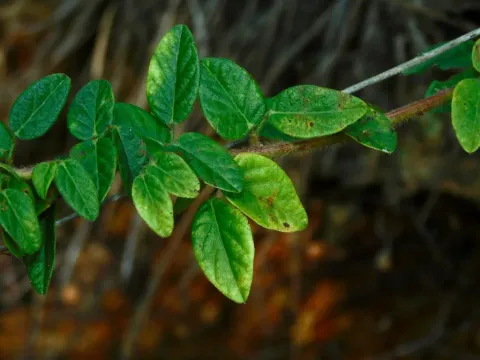
Desmodium
Desmodium
Desmodium sowing is typically scheduled during periods of stable warm temperatures, as the crop is highly demanding regarding soil warmth and cannot tolerate any frost.
What the section contains


Desmodium
The optimal time for planting is late spring, once the risk of cold snaps has passed and soil moisture levels in the upper horizon are sufficient to support germination.
Sowing is performed using row drills or broadcast methods for pasture establishment, often in mixtures with other tropical grass species to enhance stand quality.
A critical factor for sowing is the planting depth: it must be shallow, as these small seeds have limited nutrient reserves to push through deep soil layers.
In regions with distinct seasonal climates, sowing dates are strictly aligned with the onset of the rainy season to ensure uniform emergence and rapid root system establishment.
Desmodium is a genus of perennial plants in the Fabaceae family, comprising hundreds of species found primarily in tropical and subtropical regions around the globe.
The crop prefers well-drained, fertile soils but exhibits high plasticity, successfully adapting to acidic or nutrient-depleted soils through effective symbiosis with nitrogen-fixing bacteria.
The plant requires significant amounts of sunlight for optimal photosynthesis, though some species demonstrate moderate tolerance to partial shade within agroforestry systems.
Ideal temperatures for active growth range from 20 to 30 degrees Celsius; Desmodium is sensitive to drought stress, especially during critical vegetative stages.
Agronomic management includes rigorous weed control during early growth stages, as Desmodium seedlings are poor competitors against fast-growing invasive grasses.
Desmodium is primarily cultivated for its high-quality, protein-rich forage, which is highly palatable to cattle and serves as an excellent livestock feed source.
The crop is utilized in innovative "push-pull" pest management strategies, where it acts as a trap crop to repel harmful insects from primary food crops like maize.
The green biomass is dense in protein, allowing it to function as a valuable dietary supplement that improves livestock productivity, weight gain, and general health.
Beyond forage, Desmodium is highly valued as a green manure, enriching the soil with organic matter and biological nitrogen fixed through its root nodules.
Economic profitability is maximized through integrated systems that capitalize on both the biomass for fodder and the soil-improving properties for subsequent crop cycles.
The primary threats to young stands include leaf-eating insects and specific nematode species that can significantly reduce total biomass production if left unchecked.
Fungal diseases, such as anthracnose and powdery mildew, tend to affect Desmodium in high-humidity environments where air circulation within the stand is poor.
Viral infections transmitted by insect vectors can cause leaf distortion and significantly impair the plant's photosynthetic efficiency in weakened stands.
To mitigate disease pressure, it is recommended to implement proper crop rotation, utilize resistant varieties, and maintain optimal planting densities.
Chemical control is rarely employed, as the crop is most commonly associated with organic farming and environmentally sustainable agricultural practices.
Harvesting for forage is typically performed during the peak flowering stage, when the nutrient concentration in the above-ground biomass is at its absolute maximum.
Cutting should be executed at a height of at least 5-10 centimeters above the soil to promote rapid regrowth and ensure the longevity of the perennial stand.
Harvested material is often field-wilted to reduce moisture content before being processed into hay, silage, or utilized through controlled rotational grazing methods.
Seed harvesting is conducted manually or mechanically upon pod maturation, with careful handling required to minimize natural seed shattering, which is common in many species.
Post-harvest processing involves thorough cleaning and drying, which are essential steps to maintain high seed viability for long-term storage in controlled environments.