
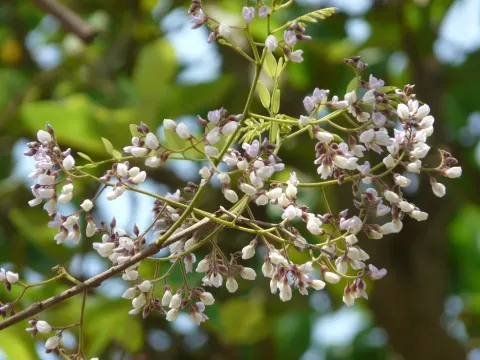
Dalbergia lanceolata
Dalbergia lanceolata
Dalbergia lanceolata is a significant tree species belonging to the Fabaceae family. Native to South Asian tropical regions, it thrives in environments characterized by high humidity and consistent tropical temperatures throughout the year.
What the section contains
Dalbergia lanceolata
The tree requires well-drained soil to prevent root rot, as it is highly sensitive to waterlogged conditions. It typically grows in alluvial or loamy soils, where deep penetration of the root system is possible to access groundwater during dry spells.
As a member of the legume family, this species possesses nitrogen-fixing capabilities through symbiotic root nodules. This feature significantly enhances soil nutrient levels, making it a valuable candidate for reforestation and agroforestry programs aimed at soil rejuvenation.
Regarding cultivation, young saplings need careful management. Shading is essential during the initial growth stages to protect the plants from intense solar radiation and excessive evaporation until they establish a robust enough root system to survive independently.
Regular maintenance involves weed control in the vicinity of young trees, as they can be easily outcompeted by aggressive tropical flora. Once established, the tree demonstrates high durability and can withstand moderate climate fluctuations within its natural tropical range.
The primary economic value of Dalbergia lanceolata lies in its high-quality, dense timber. Often classified as a type of rosewood, the wood is highly prized by craftsmen for its distinct grain pattern, durability, and natural resistance to biological degradation.
Sustainable harvesting is a critical aspect of managing this resource. Due to its slow growth rate, professional foresters prioritize selective logging, ensuring that only mature individuals are harvested, which allows the younger generation of trees to reach maturity.