
Dalbergia greveana
Dalbergia greveana
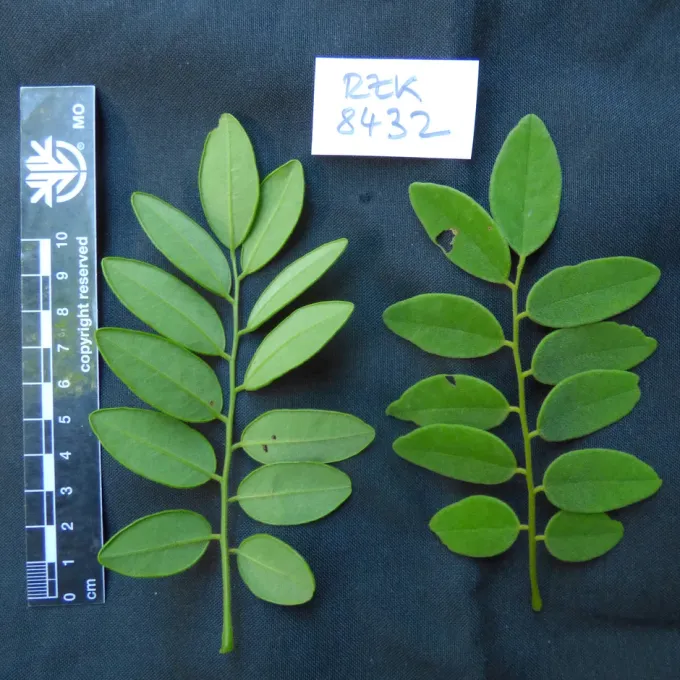
Description
Growing requirements
Dalbergia greveana is a significant tree species belonging to the Fabaceae family. Native to the island of Madagascar, this species is well-adapted to the seasonal dry tropical forests where it naturally occurs.
The tree thrives in climates characterized by long, hot, dry periods alternating with distinct rainy seasons. Consistent thermal stability is essential, as the species does not tolerate frost or cold temperatures during its growth phase.
When selecting a site for cultivation, it is crucial to ensure well-drained, sandy-loam soils. Dalbergia greveana prefers substrates that prevent waterlogging, which is a major limiting factor for its root development and overall health.
Botanically, this species is recognized for its compound leaves and slow growth rate, which contributes to the high density and quality of its heartwood. The wood is esteemed for its dark, rich coloration and resistance to environmental stress.
Economic utility of Dalbergia greveana is centered on its premium timber, which is heavily sought after for furniture making, musical instruments, and luxury decorative items due to its unique physical properties.
Main diseases and pests
The primary threat to the sustainability of this species is habitat loss and illegal logging, which have pushed wild populations to a vulnerable state. Protecting the existing stands is essential for the future of the genus.
Pathogenic threats include various root rots, which often occur in soil conditions that are too humid or poorly aerated. These diseases can cause rapid decline in mature trees if not managed appropriately.
Insect infestations, particularly by wood-boring beetles, represent a significant concern in both natural forests and plantation settings. These pests can cause extensive damage to the heartwood, rendering the lumber commercially useless.
Proper silvicultural practices, such as thinning and maintaining canopy health, are necessary to prevent the buildup of pest populations. Ensuring adequate space between individual trees helps in reducing moisture retention and fungal growth.
Biological control and strict management of the microclimate within plantations are the most effective ways to mitigate the impact of common threats. Monitoring the bark for signs of stress is recommended as part of the daily management routine.