
Dalbergia monticola
Dalbergia monticola
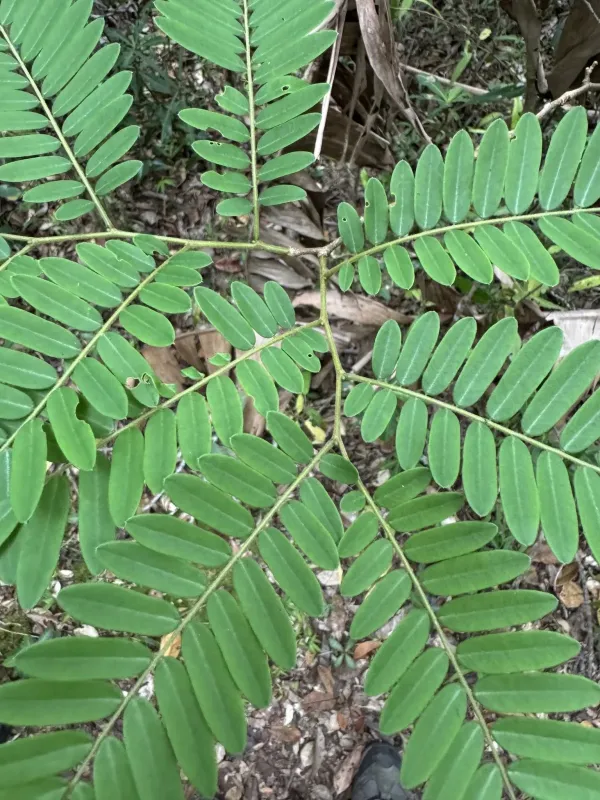
Description
Sowing dates
The propagation of Dalbergia monticola is primarily conducted through seeds, which require careful handling in specialized forest nurseries.
Seeds should be sown in well-draining, nutrient-rich media to prevent dampening-off diseases, which are common in young tropical tree seedlings.
Pre-treatment of seeds, such as gentle scarification or soaking, may be necessary to overcome dormancy and ensure uniform germination across the seedbed.
The optimal germination temperature is consistently warm, reflecting the ecological conditions of its native habitat in Madagascar's mountains.
Seedlings are maintained in nursery conditions until they reach a robust size, ensuring they are prepared for the stress of transplanting into the field.
Growing requirements
Dalbergia monticola belongs to the Fabaceae family and is recognized for its adaptation to high-altitude tropical environments.
It prefers deep, fertile, and well-drained soils, as the species is sensitive to waterlogging, which often leads to root collar rot in forest plantations.
The climate requirements include high atmospheric humidity and relatively stable temperatures, typical of subtropical and tropical mountain ranges.
While mature trees can tolerate variable light conditions, young saplings often require protective canopy cover to thrive during their developmental stage.
Strategic site selection is critical, prioritizing areas where soil moisture remains consistent but not saturated, matching the natural ecological niche of the species.
Yield
The primary utility of this tree lies in its production of high-quality timber, which is highly prized for its durability, hardness, and aesthetic appeal.
This wood is extensively utilized in fine furniture crafting, professional musical instrument production, and high-end artisanal woodwork projects.
Growth rates for the species are generally moderate, necessitating a long-term approach to harvesting cycles and forest management planning.
Sustainable plantation management focuses on maximizing the straightness and quality of the bole, which significantly increases the market value of the timber.
Yield estimation depends on density and silvicultural practices, aiming for balanced competition between trees to ensure healthy development of the hardwood.
Main diseases and pests
The most significant threat to the species is habitat loss due to deforestation, which limits the natural recruitment of young individuals in the wild.
In managed settings, fungal diseases remain a risk factor, particularly in nurseries where air circulation might be insufficient to prevent outbreaks.
Pests and pathogens that target legumes can sometimes affect foliage health, impacting the tree's vigor and subsequent timber quality over time.
Environmental fluctuations, such as erratic rainfall patterns, can exacerbate stress on trees, making them more susceptible to opportunistic secondary infections.
Conservation efforts are vital to protect the genetic diversity of the species, as excessive exploitation of natural populations threatens its future viability.