
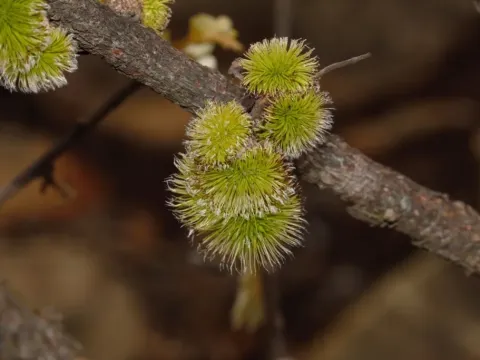
Dalbergia nitidula
Dalbergia nitidula
Dalbergia nitidula is a perennial tree species, and its propagation differs significantly from annual agricultural crops. The primary method of reproduction involves planting seeds harvested after the fruit pods reach full maturity.
What the section contains
Dalbergia nitidula
Seed preparation requires scarification to overcome the dormancy imposed by the hard seed coat, allowing water to penetrate effectively. In nursery settings, sowing is typically timed to coincide with the beginning of the rainy season to ensure sufficient moisture for germination.
Seedlings require careful monitoring during their initial years after transplanting into the field. Proper planting depth is crucial to allow the young root system to establish itself firmly and to ensure the shoot can emerge vigorously from the soil.
Spacing between plants must be optimized to prevent overcrowding, which can hinder proper trunk formation. A recommended distance of at least 3 to 4 meters between trees allows for optimal crown development and adequate light distribution.
Inoculation with local soil microbiota during the transplanting process significantly improves survival rates. Dalbergia nitidula forms symbiotic relationships with nitrogen-fixing bacteria, which is essential for the healthy growth and vigor of the plant.
This species belongs to the Fabaceae family and is a typical representative of African flora, perfectly adapted to savanna and woodland environments. It prefers well-drained soils that prevent waterlogging, which is critical for its root health.
The climate requirements include a prolonged warm season with average daily temperatures consistently above 20°C. The plant exhibits exceptional drought tolerance, allowing it to survive in regions with limited rainfall and prolonged dry periods.
Dalbergia nitidula is a heliophilic species, meaning it requires full exposure to sunlight for optimal growth. Shading from other trees can lead to slower growth rates and may negatively impact the density and quality of the wood produced.
Soil requirements are generally flexible, but the plant performs best in neutral to slightly acidic soils. While it can survive in nutrient-poor soils, organic amendments applied during the early growth stages can significantly enhance overall biomass production.
Agro-technical maintenance involves regular weeding around the base of young trees and gentle soil cultivation to prevent the formation of a surface crust, which can impede aeration and water infiltration.
The primary economic output of Dalbergia nitidula is its high-quality wood, which is highly valued in carpentry and decorative crafts. The wood is known for its durability, attractive grain, and natural resistance to various wood-boring insects.
Beyond timber production, the species plays a vital role in ecosystems as a browse source for livestock. Its foliage and tender shoots provide valuable nutrients for grazing animals during the dry season, making it a functional component in agroforestry.
The plant has a long history of use in traditional medicine, where its bark and roots are processed into infusions for their anti-inflammatory and antiseptic properties, further increasing its multifunctional utility.
Potential timber yield is closely linked to tree age and the quality of forest management. As a slow-growing tree, it requires long-term planning, focusing on sustainable harvest cycles to ensure a steady supply of wood products.
Integrating Dalbergia nitidula into agricultural landscapes contributes to soil fertility improvement due to its nitrogen-fixing capabilities, which is a key factor in sustainable land management and soil health restoration.
The main threats to this culture include fungal infections that arise under conditions of excessive soil moisture. Root rot is a significant concern in areas with poor drainage, which can lead to tree decline and eventual mortality.
Pests, particularly wood-boring insects, can cause severe damage by creating galleries within the trunk, which significantly reduces the structural and aesthetic quality of the timber. Regular monitoring is essential to detect early signs of infestation.
Young seedlings are particularly vulnerable to leaf-eating caterpillars and beetles that can defoliate the plant. Utilizing physical barriers or protective netting can effectively reduce losses during the critical early growth phase.
Competition from aggressive weed species is a major obstacle to the successful establishment of this culture. Maintaining clear cultivation zones is necessary to minimize environmental stress and ensure that resources are available to the young trees.
- Conduct regular inspections to identify early signs of pest infestations.
- Ensure effective drainage to prevent water stagnation in the root zone.
- Carry out timely sanitary pruning of infected or damaged branches.
- Control stand density to ensure adequate airflow and sunlight penetration.