
Dalbergia louvelii
Dalbergia louvelii
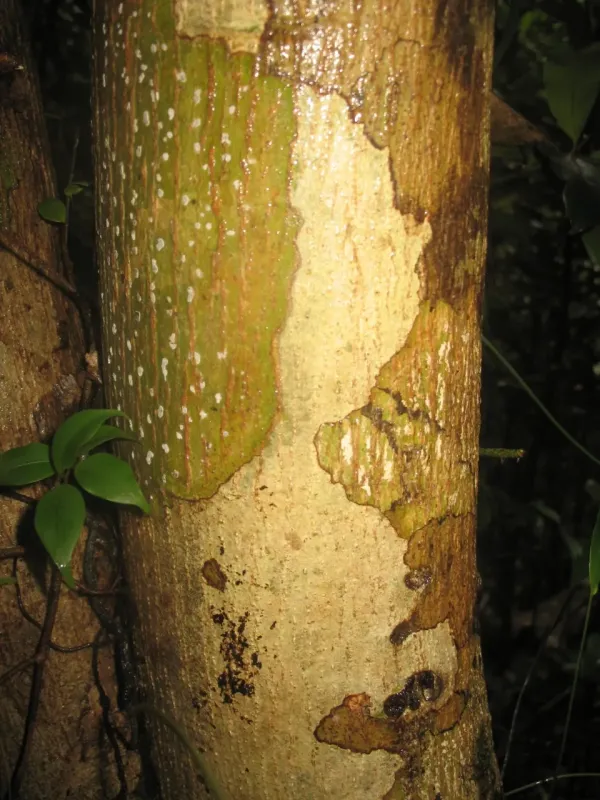
Description
Growing requirements
Dalbergia louvelii, belonging to the Fabaceae family, is a rare tropical tree species native to the humid forests of Madagascar. It is a slow-growing tree that requires specific environmental conditions to thrive, reflecting its natural forest habitat.
The ideal soil for this species is deep, well-drained, and rich in organic matter. While the tree loves moisture, it cannot tolerate waterlogged conditions, which lead to root rot and other physiological issues in the underdeveloped root systems of young saplings.
A climate with consistent temperatures ranging between +22°C and +30°C is essential for optimal growth. The species demands high humidity levels throughout the year, which is typical for its endemic regions in the rainforests of Madagascar.
In terms of light requirements, saplings often need partial shade during their early development stages to prevent sunscald. As they mature, they become more tolerant, but controlled shade management is a key agrotechnical practice for plantations.
Soil management should include maintaining a slightly acidic to neutral pH. The presence of symbiotic soil bacteria, which facilitate nitrogen fixation, is critical for the overall health and vigor of the Dalbergia louvelii plants.
Yield
The primary economic output of Dalbergia louvelii is its high-quality timber, globally recognized as a premium variety of rosewood. The wood is highly sought after for its exceptional density, resonance, and beautiful, rich grain patterns.
This timber is most commonly utilized in the manufacturing of high-end musical instruments, specifically guitar backs and sides, as well as luxury furniture and intricate marquetry. Its acoustic properties make it irreplaceable in the music industry.
The production cycle for this species is significantly long, often spanning several decades before the wood reaches the required density and color intensity for commercial use. This long-term investment makes sustainable plantation management essential.
Yield quality is determined by the age and growth health of the tree. Older trees provide a higher volume of heartwood, which is the most valuable part of the trunk. Younger wood lacks the structural integrity and aesthetic depth of mature specimens.
Proper pruning and silvicultural techniques are employed to ensure the growth of straight, cylindrical trunks. This approach maximizes the yield of usable timber and reduces the percentage of waste during the processing and milling stages.
Main diseases and pests
Fungal diseases affecting the root system represent the primary biological threat, especially in nurseries where air circulation might be insufficient. Maintaining proper drainage and hygiene is crucial to prevent the spread of lethal root rot.
Stem-boring insects present a constant challenge, as they can cause significant structural damage to the maturing trunks. Such damage is detrimental, as it creates defects that render the wood unsuitable for high-value export purposes.
Environmental threats include extreme weather events, such as cyclones, which can cause severe mechanical damage to trees in plantations. The slow recovery rate of the species makes these events particularly costly for tree farmers.
Illegal logging and unsustainable harvest practices have severely depleted natural populations. International regulations, such as CITES, protect the species, and responsible cultivation is now the only way to meet market demand ethically.
Effective management includes regular health monitoring and the maintenance of diverse plantation ecosystems. By avoiding monoculture and promoting healthy soil conditions, farmers can mitigate the impact of pests and diseases on their crops.