
Dalbergia granadillo
Dalbergia granadillo
Dalbergia granadillo is a highly prized timber species belonging to the Fabaceae family. Native to the tropical forests of Central America, specifically Mexico and Guatemala, this tree is renowned for its exceptional density and dark, aesthetic heartwood.
What the section contains
Dalbergia granadillo
Successful cultivation of this species requires a tropical climate with high, stable temperatures. The trees thrive in regions where distinct wet and dry seasons facilitate proper biological cycles. Deep, well-drained soils are essential to prevent root rot and support the tree's slow, structural growth.
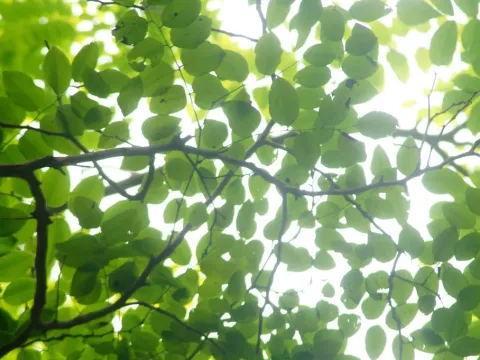
Botanically, the species is characterized by compound leaves and a high capacity for producing resins that contribute to the wood's durability. The slow growth rate is a defining feature, making the production of high-quality heartwood a long-term agricultural commitment.
Agrotechnical management includes selecting sites that provide adequate sunlight while ensuring protection from excessive wind. Proper spacing is critical to avoid competition for nutrients and to maintain airflow throughout the developing canopy in commercial plantations.
The primary economic use is in the manufacturing of musical instruments, where it is highly sought after for its acoustic resonance, as well as in luxury furniture and artisan woodworking. Its scarcity and high demand make it a valuable asset in sustainable forestry projects.
Common threats to Dalbergia granadillo include fungal infections that manifest in stagnant, overly humid conditions. These pathogens can weaken the structural integrity of the wood if not managed through proper site drainage and air circulation.
Insect pests, including various wood-boring beetles, represent a persistent challenge for young plantations. Integrated pest management strategies, focusing on early detection and maintaining overall tree vigor, are necessary to protect the investment in these slow-growing timber stands.