
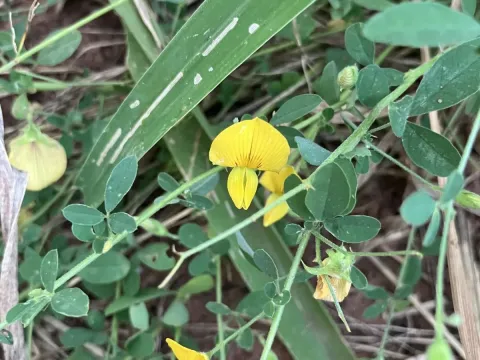
Crotalaria virgulata
Crotalaria virgulata
Crotalaria virgulata is a thermophilic plant, requiring warm soil conditions for successful germination and early establishment.
What the section contains
Crotalaria virgulata
The optimal sowing period begins in late spring or early summer, once the threat of frost has passed and soil temperatures consistently stay above 15-18 degrees Celsius.
Seeds are typically sown using row-drilling techniques, with spacing adjusted depending on whether the primary goal is biomass production or seed harvesting.
Planting depth should be maintained between 2 and 4 centimeters, as excessively deep sowing may delay emergence or reduce the percentage of viable seedlings.
Seed scarification is often recommended before planting to break dormancy, ensuring uniform and faster germination across the field.
Belonging to the Fabaceae family, this species is highly valued for its symbiotic nitrogen fixation, which contributes to overall soil health.
It performs best in well-drained, sunny locations, as the plant is sensitive to waterlogging, which can easily lead to root system decay.
Crotalaria virgulata is noted for its exceptional drought tolerance, making it a suitable candidate for cultivation in arid or semi-arid agricultural zones.
The plant thrives in soil with a neutral to slightly acidic pH, struggling in extremely alkaline or highly acidic soil environments.
Adequate levels of phosphorus and potassium are necessary to support vigorous vegetative growth and maximize the plant's potential for nitrogen fixation.
The yield of green biomass depends significantly on local climatic conditions, soil fertility levels, and proper crop management throughout the growing season.
Under favorable growing conditions, the crop produces a substantial amount of biomass quickly, which is highly beneficial for improving soil structure.
Biomass production metrics can vary depending on plant density, with higher densities typically resulting in a more uniform coverage and higher organic matter input.
Seed yield is also an important factor, often influenced by the presence of pollinators during the flowering phase, as bees are attracted to the blossoms.
For the best results in green manuring, harvesting or incorporation should occur just before the stems turn woody to ensure faster decomposition in the soil.
Common threats to Crotalaria virgulata include various pests associated with legumes, such as pea weevils and certain lepidopteran caterpillars.
High humidity conditions during the growth period may increase the risk of fungal diseases, such as root rot or powdery mildew, if air circulation is poor.
Weed management during the initial stages is critical, as the seedling growth of the crop is relatively slow compared to aggressive weeds.
Crop rotation is strongly recommended to prevent the buildup of soil-borne pathogens and to maintain the overall biological balance of the field.
Regular scouting of the field is necessary to identify early signs of infestation and to apply integrated pest management strategies promptly.
Harvesting timing is determined by the end-use, with green manure crops being incorporated into the soil during the peak flowering stage.
For seed production, harvesting must wait until the pods are fully mature, dry, and brittle, which indicates the seeds have reached maximum viability.
Standard harvesting machinery can be used, although care must be taken to minimize pod shattering to prevent significant yield losses during field operations.
After incorporating the biomass, it is essential to bury it at a depth of 10-15 centimeters to facilitate efficient breakdown and nutrient cycling.
Stored seeds must be kept in cool, dry conditions with low moisture content to prevent fungal development and preserve high germination rates until the next season.