
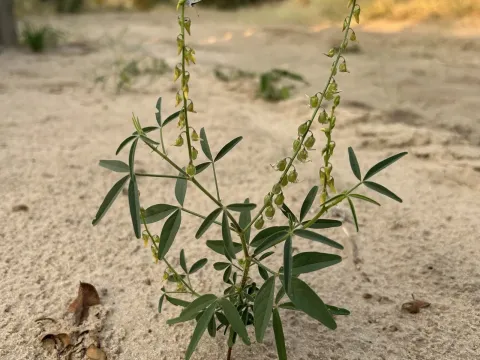
Crotalaria sphaerocarpa
Crotalaria sphaerocarpa
Crotalaria sphaerocarpa is a heat-loving crop, so sowing must be conducted exclusively in well-warmed soil. The optimal time is when daily temperatures consistently exceed 20°C, and the risk of frost has passed.
What the section contains
Crotalaria sphaerocarpa
Scarification of seeds is recommended to ensure rapid germination, as the hard seed coat can otherwise delay embryo development. Planting is typically done in rows, with spacing chosen to maximize light interception and minimize weed competition.
Seeding rates vary depending on the intended use; higher densities are used when the plant is grown as a green manure to suppress weed growth effectively. The seeding depth should be maintained at 2–3 cm, adjusted according to soil moisture and texture.
In regions with shorter growing seasons, early sowing with supplemental irrigation during the initial germination phase is advised. The crop shows strong seedling vigor provided that sufficient moisture is available in the first few weeks of growth.
This crop fits well into crop rotations as a predecessor for cereals, effectively enriching the topsoil with nitrogen. Mineral fertilization at planting is often unnecessary due to the plant's ability to form a symbiotic relationship with nitrogen-fixing bacteria.
As a member of the Fabaceae family, this species is highly valued for its adaptability to various soil types, including sandy and nutrient-poor grounds. It can withstand short periods of drought but produces the highest biomass when moisture levels are consistent.
The plant prefers well-drained sites with a neutral to slightly acidic soil pH. Crotalaria is sensitive to waterlogging, necessitating proper drainage management on heavy clay soils to prevent root issues.
Intense solar radiation is a crucial factor for development, as shade leads to leggy stems and reduced overall productivity. Its natural range across tropical and subtropical regions highlights its fundamental requirement for warm climatic conditions.
A temperature range between 25°C and 30°C is optimal for the physiological processes of Crotalaria. Growth significantly slows down when temperatures drop below 10°C, which is a vital consideration for agricultural planning.
Mineral nutrition should be balanced, with sufficient phosphorus and potassium being critical for the development of the root system. Proper environmental conditions encourage the growth of a strong taproot, which helps improve soil structure at significant depths.
The agricultural use of Crotalaria sphaerocarpa is primarily focused on producing high-quality green biomass. High yields of green manure allow for the effective restoration of soil fertility in depleted fields within a single growing season.
Under optimal management, dry matter yields are significant, making this plant an attractive choice for organic farming systems. The biomass decomposes rapidly in the soil, releasing nutrients for subsequent crops.
Beyond its fertilizing properties, the plant has potential in fodder production, though care must be taken due to the presence of specific alkaloids in some plant parts. It is essential to conduct toxicity testing before utilizing it as animal feed.
Seed yield is heavily dependent on timely pollination by insects, so the presence of pollinators in the field is vital for maximum output. Since seed ripening can be uneven, monitoring during the harvest phase is necessary to prevent loss from shattering.
When used as a cover crop, it is important to incorporate the biomass before the stems become overly lignified. This ensures the best balance of nitrogen and organic carbon for the soil, maximizing the benefits for the rotation cycle.
Crotalaria sphaerocarpa possesses natural resistance to many diseases, though poor management can lead to fungal infections. Overcrowded fields with inadequate ventilation are the most susceptible to these issues.
Root rots are the most significant threat under conditions of excessive moisture and low soil temperatures. Preventive measures include maintaining adequate field spacing and utilizing high-quality, treated seed stock.
Among pests, beetle larvae can cause considerable damage to the root system during the early stages of plant growth. In cases of severe infestation, approved insecticides may be used, keeping in mind the required harvest interval.
Seed-feeding pests can drastically reduce the viability of harvested material; therefore, storing seed stocks requires strict moisture control. Regular monitoring of the field allows for early detection and intervention against potential outbreaks.
Adhering to crop rotation practices, which avoid the continuous monoculture of legumes, serves as the primary defense against pathogen buildup. A healthy field environment ensures stable growth without the need for excessive chemical interventions.
The harvest of green biomass should occur during the budding or early flowering stages. This is when the plant contains the highest concentration of nitrogen and easily decomposable organic compounds beneficial for soil nutrition.
Disc harrows or choppers are used to shred the biomass, ensuring uniform distribution over the field surface. Subsequently, incorporating the material into the soil at a depth of 10–15 cm accelerates the humification process.
When grown for seeds, harvesting begins when the pods turn brown. Due to the risk of pod shattering, it is critical to harvest before the plant becomes over-mature to prevent significant seed loss.
After harvest, seed material requires post-harvest processing, including cleaning to remove impurities and drying in well-ventilated areas. Storage should be in breathable bags under stable humidity to maintain high germination rates.
For large-scale production, combines equipped for small legume seeds are recommended. Proper drum adjustment prevents mechanical damage to the seed coat, which is essential for maintaining the seed's sowing quality.