
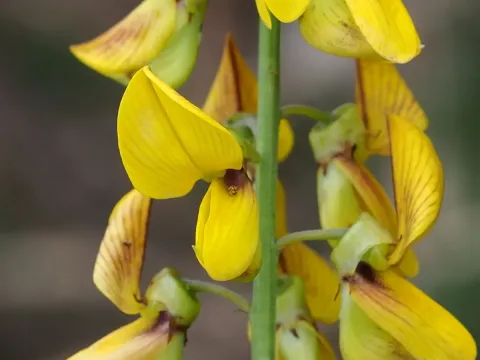
Crotalaria trichotoma
Crotalaria trichotoma
The sowing schedule for Crotalaria trichotoma is strictly dictated by regional climatic conditions, as the species is highly thermophilic.
What the section contains
Crotalaria trichotoma
In tropical and subtropical regions, planting typically begins at the onset of the rainy season to provide consistent soil moisture for germination.
For cover cropping purposes, it is essential to time the sowing to maximize vegetative biomass production before the plant enters the reproductive phase.
Soil temperatures must remain above 20 degrees Celsius for optimal seedling emergence and to establish a strong root system early on.
Seeding rates usually range from 15 to 25 kilograms per hectare, depending on the specific row spacing and the intended density of the crop stand.
Crotalaria trichotoma, a member of the Fabaceae family, is a robust plant recognized for its exceptional nitrogen-fixing capabilities.
The species thrives best in well-drained, sandy or loamy soils but displays remarkable plasticity across a wide array of tropical soil environments.
High levels of solar radiation are required for full vegetative development, as shading can significantly suppress its early growth and vigor.
While the plant shows some tolerance to temporary dry spells once established, consistent moisture is critical for achieving high biomass yields.
Ideal soil pH levels for this legume typically fall within the slightly acidic to neutral range, facilitating symbiotic nodule activity.
The biomass yield of Crotalaria trichotoma is its most significant contribution to regenerative agricultural systems and soil restoration efforts.
Under favorable growing conditions, the crop can generate between 20 and 30 tons of fresh biomass per hectare in a single growing cycle.
The high nitrogen content of the decomposing residues makes it an excellent choice for enriching nutrient-depleted agricultural soils naturally.
Seed yield varies depending on day length and management practices, generally ranging between 500 and 1,000 kilograms per hectare.
Effective biomass management improves soil structure, aeration, and moisture retention, ultimately benefiting the yield of subsequent commercial crops.
The primary threats to Crotalaria trichotoma involve root-rot pathogens that thrive in waterlogged or poorly drained soil conditions.
Insect pests, including various lepidopteran larvae, can cause significant damage to the foliage and reduce the total photosynthetic capacity.
Powdery mildew can become a concern in dense stands where air circulation is limited and atmospheric humidity levels are persistently high.
Nematode infestations in the root zone require careful field rotation and the use of healthy, clean seeds to prevent long-term soil contamination.
Regular field scouting is essential to identify pest outbreaks early, allowing for targeted biological control interventions to preserve crop health.
Harvesting for green manure should be performed before the plants reach full maturity or exhibit significant stem lignification.
Cutting at the budding stage ensures that the nitrogen concentration is at its peak, providing maximum benefit for the soil enrichment process.
Mechanical shredding of the biomass followed by shallow incorporation into the soil (at 10-15 cm) optimizes the decomposition and humus formation.
Proper timing of the incorporation is vital to prevent the nitrogen from leaching before the next primary crop can fully utilize the nutrients.
If the goal is seed production, harvest begins when pods turn dark, utilizing equipment calibrated to minimize shattering and harvest losses.