
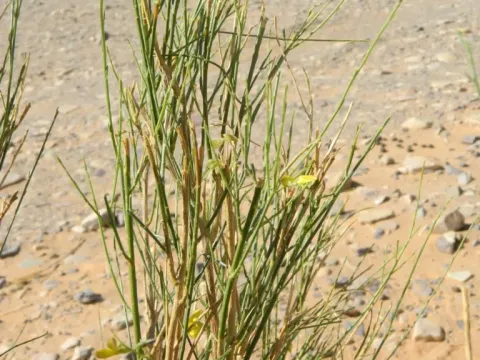
Crotalaria vialattei
Crotalaria vialattei
Sowing Crotalaria vialattei is typically performed in warm soil, once temperatures consistently remain above 15-18 degrees Celsius. For successful germination, moisture is critical; therefore, the ideal planting time often coincides with the start of the rainy season or following consistent spring showers.
What the section contains
Crotalaria vialattei
The seeds should be planted at a depth of 2 to 4 centimeters, depending on the soil structure. Planting too deep can hinder seedling emergence, while shallow planting in dry soil may lead to poor germination due to a lack of sufficient contact moisture.
Seeding rates depend on the intended use: higher densities are common for green manure production, whereas lower densities are used for seed multiplication. Keeping row spacing at 30–45 centimeters ensures adequate space for each plant to develop a strong root system.
Pre-sowing treatment, including scarification of the hard seed coat, significantly increases germination energy and ensures more uniform crop emergence. This simple mechanical procedure is essential for achieving optimal plant stands.
Inoculation with specific rhizobium strains is highly recommended to enhance the nitrogen-fixation process from the start. This practice reduces reliance on synthetic nitrogen fertilizers and promotes faster vegetative growth.
As a member of the Fabaceae family, this crop is valued for its ability to thrive in nutrient-poor soils. It is particularly well-suited to sandy and sandy-loam soils where other common crops may struggle to maintain vigor.
Crotalaria vialattei prefers sunny locations and performs poorly in shaded areas. It exhibits notable drought tolerance, allowing it to maintain growth during brief moisture stress periods, which is an important trait for regions with unpredictable rainfall.
While not demanding in terms of soil fertility, the plant grows best in slightly acidic to neutral soil conditions. On highly alkaline soils, nutrient uptake may be restricted, potentially leading to slower overall development.
Good soil drainage is essential for this crop. Although it can withstand short periods of waterlogging, prolonged saturation of the root zone often leads to the development of root-rot diseases and a reduction in biomass production.
The crop is highly sensitive to frost and thrives in warm, stable climates. Optimal growth temperatures range from 20 to 30 degrees Celsius, making it a reliable warm-season crop for tropical and subtropical agricultural regions.
Biomass yield is directly influenced by soil fertility and water availability during the peak vegetative stage. Under favorable conditions, the plant produces a significant amount of green matter within a relatively short period.
As an excellent green manure crop, it contributes significantly to soil organic matter and nitrogen levels. By incorporating the biomass into the soil, farmers can see measurable improvements in soil structure and fertility for subsequent crops.
Seed yield varies depending on insect activity, as flowers require pollinators for effective seed set. Ensuring a healthy population of bees and other pollinators near the fields is essential for maximizing seed production.
Careful timing is required to harvest the seeds, as they tend to disperse quickly if the pods are left on the plant for too long after maturity. Early harvest prevents shattering losses and ensures a high-quality yield.
For forage purposes, harvesting should be performed before the stems become overly lignified. This ensures the best nutritional profile, characterized by higher digestibility and protein content, which is beneficial for livestock feeding.
Insect pests, particularly pod-borers and caterpillars, represent the main threat to the generative parts of the crop. Regular field monitoring is crucial to identify infestation early and implement necessary control measures.
Root-rot diseases are primarily caused by excessive moisture or waterlogged soil conditions. Implementing proper field preparation and avoiding planting in low-lying, poorly drained areas effectively mitigates these risks.
Fungal leaf spots can occur during seasons with high humidity and poor air circulation. Managing plant density and ensuring adequate space between rows allows for better airflow, reducing the prevalence of these diseases.
Although nematodes can be a concern for many legumes, Crotalaria species are often used as a tool to suppress nematode populations in the soil. Proper crop rotation remains the best agronomic strategy to manage soil-borne health.
Weed competition is most intense during the initial weeks of growth. Because the crop establishes slowly at the start, timely mechanical weeding between rows is necessary to prevent weeds from overpowering young plants.
Harvesting green biomass is most effective at the peak of the flowering stage, as nitrogen accumulation is highest at this time. This phase provides the most nutritious plant tissue for rapid decomposition and nutrient release in the soil.
For seed production, harvesting begins when pods darken and start to dry. Using a combine harvester with appropriate drum speed settings helps minimize mechanical damage to the seeds, preserving their viability for the next season.
Post-harvest processing involves thorough cleaning to remove plant debris, dust, and impurities. Dry, clean seeds are essential for preventing mold and preserving quality during storage periods.
Storage should take place in a cool, dry, and well-ventilated facility. Maintaining stable environmental conditions prevents seed degradation and ensures high germination rates for future planting campaigns.
Successful seed storage also requires protection from rodents and pests. Maintaining high standards in storage facilities secures the investment in the crop and protects the quality of the planting material.