
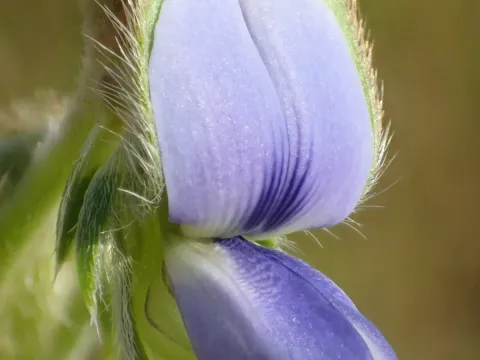
Crotalaria sessiliflora
Crotalaria sessiliflora
Crotalaria sessiliflora is an annual leguminous plant of the Fabaceae family, recognized for its utility in soil improvement and agricultural sustainability.
What the section contains
Crotalaria sessiliflora
Sowing typically takes place in late spring, once soil temperatures are consistently above the threshold required for successful germination and early establishment.
The seeding method involves row planting with spacing adjusted to promote vigorous biomass production, usually requiring 30 to 45 centimeters between rows.
A shallow sowing depth of 2-3 centimeters is recommended to ensure that seedlings emerge quickly, reducing the time they are vulnerable to soil-borne pathogens.
Pre-treatment of seeds, such as mechanical scarification, is often used to ensure uniform germination across the field, which is essential for consistent canopy development.
This crop thrives in high-light environments and requires full exposure to the sun to maximize its photosynthetic potential and overall vegetative growth.
It adapts well to a variety of soil types but demonstrates superior performance in well-drained, sandy loam soils with near-neutral pH levels.
Crotalaria sessiliflora is noted for its high drought tolerance, which allows it to maintain productivity in regions where irrigation is limited or unpredictable.
Adequate moisture is required primarily during the early stages of development and the peak vegetative phase to ensure the production of maximum biomass.
Avoiding waterlogged areas is critical, as the plant's root system is susceptible to decay in poorly drained soils where oxygen levels are low.
The primary agricultural value of this species lies in its ability to produce significant organic biomass, which serves as an effective green manure for following crops.
Nitrogen fixation, facilitated by symbiotic relationships with specific rhizobia, significantly contributes to soil fertility and reduces the need for synthetic nitrogen fertilizers.
Peak biomass yields are typically observed at the onset of flowering, when the plants contain the highest concentration of essential nutrients before energy is diverted to seed production.
Yield stability is supported by proper crop management, including the use of high-quality seeds and appropriate inoculation techniques tailored to the specific environment.
For seed production, yields are highly dependent on successful pollination and favorable weather conditions during the maturation phase of the pods.
The crop is occasionally susceptible to fungal diseases such as Fusarium wilt and powdery mildew, particularly under conditions of high humidity and poor ventilation.
Various insect pests, including beetles and leaf-feeding larvae, can affect plant health, necessitating careful monitoring throughout the growing season.
Effective management strategies include the practice of crop rotation and the maintenance of optimal planting densities to prevent the rapid spread of diseases.
Biological control methods and integrated pest management (IPM) are encouraged to minimize environmental impact while maintaining crop productivity.
Maintaining a clean field free of reservoir weed species is an essential component of disease and pest prevention for this leguminous crop.
Harvest timing for green manure purposes is best performed at the early flowering stage to ensure the biomass is soft and decomposes rapidly when incorporated into the soil.
Mechanical shredding of the biomass immediately after cutting is recommended to facilitate soil integration and accelerate the mineralisation process.
For seed production, harvest occurs once the pods turn a deep brown color, indicating that the seeds are fully developed and mature.
Post-harvest handling requires careful drying to avoid moisture accumulation, which can otherwise compromise seed viability during storage.
Optimized harvesting equipment helps minimize shattering losses, ensuring a high-quality harvest of viable seeds for future agricultural use.