
Centrosema pascuorum
Centrosema pascuorum Mart. ex Benth.
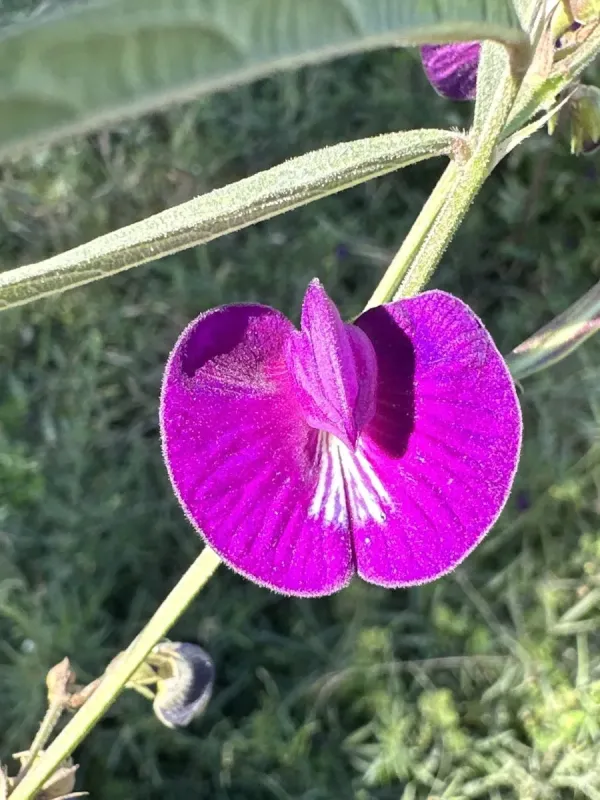
Description
Sowing dates
Sowing of Centrosema pascuorum should coincide with the beginning of the wet season to ensure sufficient moisture for germination. The seeds should be planted at a shallow depth of 1 to 2 cm to facilitate rapid emergence.
The recommended seeding rate is approximately 2 to 5 kg per hectare for pure stands. When sown as part of a pasture mixture, the rate is adjusted to maintain a balanced ratio with associated grasses.
Seed scarification is highly recommended prior to planting due to the hard seed coat inherent in this species. This process improves the speed and uniformity of germination across the field.
Inoculation with specific strains of Bradyrhizobium is crucial for successful establishment. This symbiotic relationship ensures efficient nitrogen fixation, which is vital for the plant's survival in nutrient-poor tropical soils.
Effective weed control is essential during the early stages of growth as seedlings may initially grow slowly. Ensuring the field is free from competitive weeds gives the crop a strong start.
Growing requirements
This legume is native to tropical regions and thrives under high temperature conditions. It is frost-sensitive and performs best in environments where temperatures range between 25 and 30 degrees Celsius.
The crop is highly adaptable and can grow in various soil types, including acidic and low-fertility soils. Well-drained loamy to sandy soils provide the best conditions for achieving maximum plant development.
Centrosema pascuorum is recognized for its significant drought tolerance, allowing it to maintain growth during brief dry spells. This trait makes it a reliable component in diverse pasture systems.
The plant requires full exposure to sunlight to reach its full productive potential. Shaded areas significantly limit biomass production and lead to reduced nutritional density in the forage.
Waterlogging is detrimental to this crop. It is important to select sites with adequate natural or artificial drainage to prevent root rot and ensure the long-term health of the pasture stand.
Yield
Yields of dry matter typically range from 5 to 8 tonnes per hectare per season. These figures are influenced by management practices, soil fertility, and the distribution of rainfall throughout the growing period.
The crop displays excellent regrowth potential following grazing or mowing, provided that the growing conditions are favorable. This resilience supports sustained fodder availability throughout the rainy season.
With a crude protein content often exceeding 18 percent, Centrosema pascuorum serves as a high-quality protein source for ruminants. It is frequently used to boost the overall nutrition of livestock.
The nitrogen-fixing capacity of the roots significantly enriches the soil, benefiting not just the pasture itself but also subsequent crops in a rotation system. This contributes to overall farm sustainability.
To maximize yields over several years, rotational grazing is encouraged. This management style allows the plant to replenish its carbohydrate reserves, leading to better vigor and persistence.
Main diseases and pests
Leaf-feeding insects and various beetles are common pests that can affect biomass. Regular monitoring of the field helps in identifying potential outbreaks before they impact yield significantly.
Fungal diseases, including leaf spot and anthracnose, are common in humid conditions or where the canopy is too dense. Proper spacing and airflow help manage these risks effectively.
Viral infections can be transmitted by aphids or leafhoppers. Controlling these vector populations is a primary strategy for preventing the spread of diseases within the pasture stand.
Root rots are frequently associated with poor drainage conditions. Preventing water accumulation on the soil surface is the best defensive measure against such soil-borne health issues.
Using certified, disease-resistant seeds and maintaining a clean field environment are the most effective ways to minimize the need for chemical interventions in a pasture setting.
Harvesting
For high-quality hay production, harvesting should be performed at the peak of the flowering stage. This timing ensures an optimal balance between protein content and structural fiber for livestock.
In grazing systems, livestock should be introduced when the plant reaches a height of 25–30 cm. Maintaining a residual height of 10 cm after grazing is crucial for rapid and healthy regrowth.
Seed harvesting should be timed carefully when the pods turn brown. Because pods can shatter easily, harvesting must occur before the seeds are lost to the environment.
Machinery used for harvesting must be well-adjusted to protect the plant's crown. Minimizing physical damage ensures that the pasture remains productive for future regrowth cycles.
After harvesting, the material should be dried to a moisture content of approximately 15 percent. This ensures stable storage conditions and prevents microbial growth or spoilage in hay barns.