
Centrosema macrocarpum
Centrosema macrocarpum Benth.
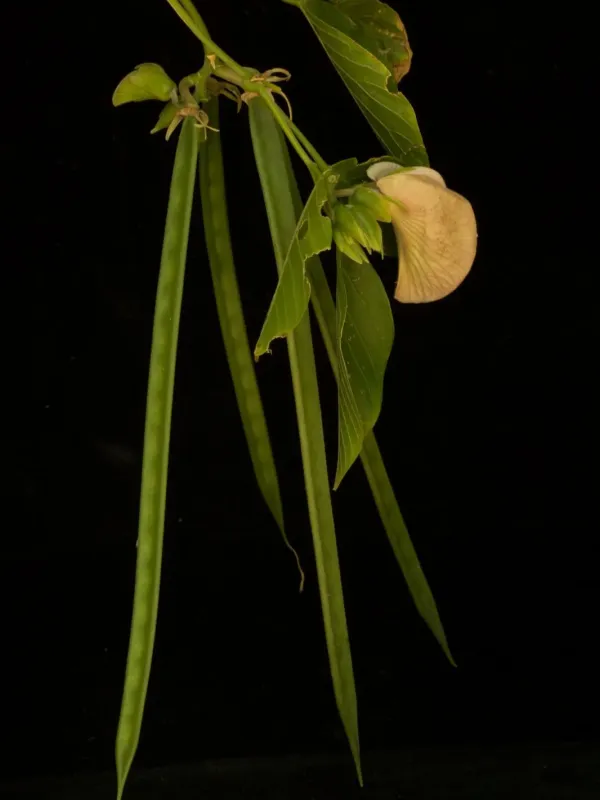
Description
Sowing dates
Centrosema macrocarpum is a perennial trailing legume belonging to the Fabaceae family. It is primarily cultivated in tropical zones for high-protein livestock fodder.
Seed scarification is highly recommended before sowing to break seed coat dormancy and ensure rapid, uniform germination. This simple practice significantly improves overall stand establishment.
The ideal planting window coincides with the onset of the rainy season to provide sufficient moisture for root development. Sowing depth should be kept shallow, typically 2–3 centimeters.
Seeding rates usually range from 2 to 5 kg per hectare. The plant is frequently sown in association with aggressive tropical grasses to create balanced and highly productive pastures.
Effective soil preparation and ensuring good seed-to-soil contact are essential for success. Broadcasting followed by light harrowing or direct drilling methods can be utilized effectively.
Growing requirements
This legume thrives in warm tropical environments with temperatures between 22 and 30 degrees Celsius. It is highly sensitive to frost, which limits its range to frost-free regions.
Centrosema macrocarpum is renowned for its excellent tolerance to acidic, low-fertility soils. It can grow successfully in soils high in aluminum, common in many tropical areas.
The crop requires an annual rainfall of at least 1000–1200 mm to achieve maximum biomass production. However, its deep root system offers moderate resistance to short drought spells.
Good drainage is a prerequisite for planting. The plant does not tolerate waterlogging, which can cause severe root damage and suppress nitrogen-fixing nodules.
While preferring full sun, it shows a commendable level of shade tolerance. This makes it a suitable candidate for silvopastoral systems and integration with fruit-bearing tree plantations.
Yield
In well-managed pastures, Centrosema macrocarpum can produce significant biomass, often yielding 15 to 20 tons of dry matter per hectare annually, depending on soil quality.
The plant is highly valued for its protein content, which often exceeds 20% in the leaves. This makes it an ideal feed supplement to balance diets based on low-quality tropical grasses.
Through its symbiotic relationship with Rhizobium bacteria, it fixes atmospheric nitrogen. This process enhances the soil's nitrogen levels, benefiting the overall pasture ecosystem.
Livestock show excellent acceptance of this forage. Unlike some other tropical legumes, it maintains its palatability even as the plant matures, ensuring consistent consumption.
Proper rotational grazing management is necessary to maintain productivity. Allowing the stand to recover between grazing cycles ensures long-term persistence and high vigor.
Main diseases and pests
Insect pests, particularly leaf-eating caterpillars and certain species of weevils, can cause noticeable damage to the foliage during periods of rapid vegetative growth.
Fungal pathogens such as anthracnose are among the primary threats, especially in areas with high humidity and stagnant air. These conditions can cause severe leaf spot and dieback.
Root rot and collar rot can occur if soil drainage is insufficient. Such diseases often manifest in patches, significantly reducing the density and health of the forage stand.
Viral infections, causing mosaic-like patterns on leaves, may appear in some regions. Controlling these requires clean seed sources and vigilant field monitoring for symptoms.
Integrated pest management strategies should focus on maintaining stand vigor, promoting good airflow, and selecting resilient varieties whenever they become available.
Harvesting
Seed harvesting should be performed carefully because the pods are prone to shattering as they dry. Monitoring the color change to dark brown is key to determining the optimal harvest time.
Manual harvesting is common for small-scale operations. For larger areas, combines with adjusted drum speeds are used to prevent seed damage during the threshing process.
Post-harvest, seeds must be dried to 10–12% moisture to prevent spoilage and maintain high germination viability during storage in cool, dry conditions.
For grazing purposes, management centers on rotational strategies to ensure the plants aren't overgrazed, thus protecting the crowns for successful regrowth.
When producing hay, the crop should be cut during the early flowering phase to maximize nutrient content. Proper field drying is crucial to avoid mold growth before baling.