
Centrosema arenicola
Centrosema arenicola
Description
Growing requirements
Centrosema arenicola is a notable herbaceous legume from the Fabaceae family, recognized for its exceptional adaptation to sandy environments. As a creeping vine, it plays a critical role in stabilization and ecological recovery of depleted landscapes.
The species originates from the sandy regions of Florida, USA, where it has evolved to thrive in nutrient-poor soils under intense sunlight. Its high tolerance to drought makes it a valuable asset for agricultural systems operating in challenging, arid climates.
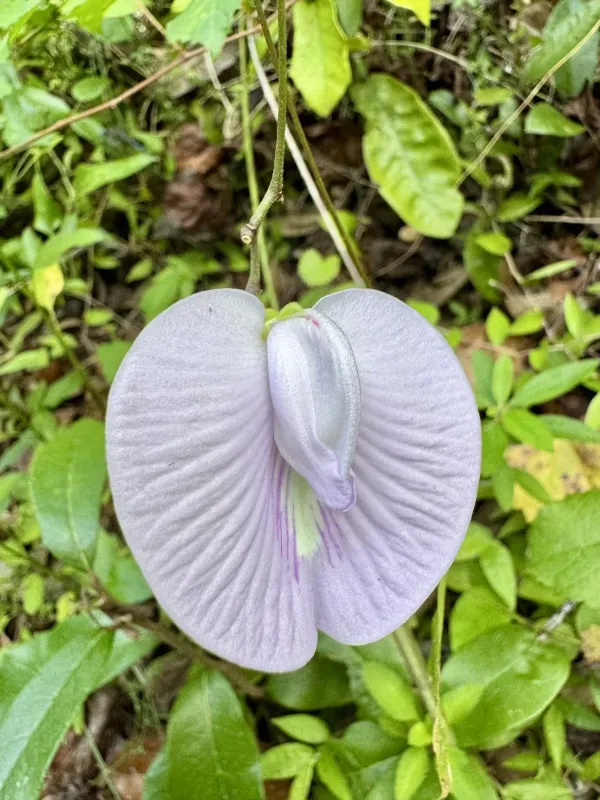
Botanically, the plant features trifoliate leaves and distinctive butterfly-shaped flowers. It relies on a symbiotic relationship with nitrogen-fixing bacteria within its root nodules, which effectively enhances soil fertility by converting atmospheric nitrogen into plant-available forms.
Regarding cultivation requirements, the species mandates well-drained, porous soils and high sun exposure. It is sensitive to waterlogging, thus highlighting the importance of site selection in regions prone to heavy, seasonal rainfall.
Centrosema arenicola is primarily used as a ground cover and a forage crop. Its ability to produce significant biomass on poor soils provides livestock producers with a sustainable protein source while simultaneously acting as a green manure for subsequent crops.
Main diseases and pests
The plant faces several agricultural challenges, primarily related to fungal pathogens that can develop if the microclimate surrounding the foliage becomes excessively humid for prolonged periods.
Insect pests, including various foliage feeders, may impact the health of the plants. Integrated Pest Management (IPM) practices are encouraged to maintain healthy populations without excessive reliance on chemical inputs.
Root-knot nematodes can occasionally pose a threat in sandy soil conditions, necessitating crop rotation strategies that break the life cycles of these soil-borne organisms.
Maintaining the structural integrity of the crop involves selecting disease-resistant cultivars and ensuring that the planting density is optimized to promote sufficient airflow between plants.
Frequent scouting for signs of leaf spots or wilting is essential for high-yield operations, ensuring that potential threats are identified before they escalate into significant economic losses.