
Centrosema plumieri
Centrosema plumieri (Turpin ex Pers.) Benth.
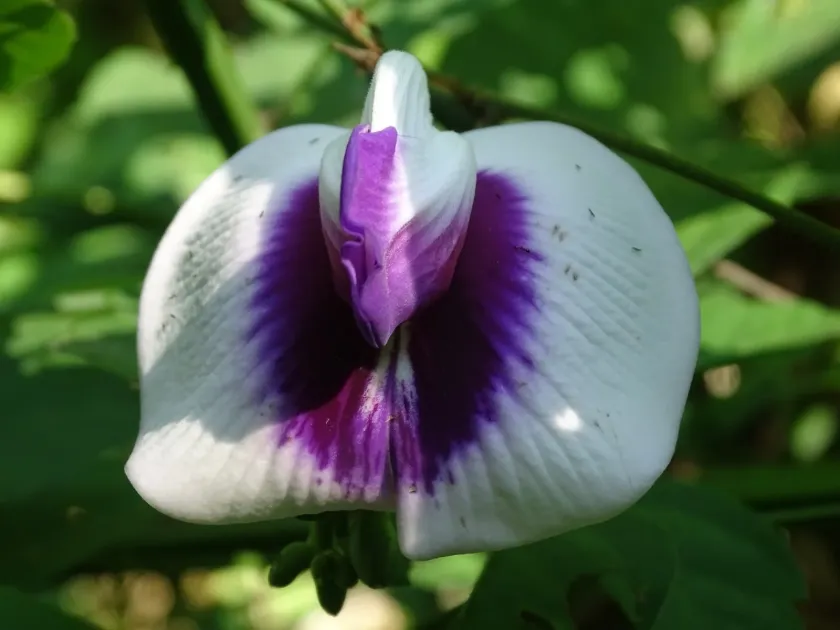
Description
Sowing dates
Centrosema plumieri is best sown at the onset of the rainy season to ensure sufficient moisture for seed germination and initial establishment of the root system.
Seeds should be planted at a depth of 2–3 centimeters in well-prepared seedbeds to maximize contact with the soil while avoiding excessive burial.
It is highly recommended to scarify the seeds before sowing to break the physical dormancy of the seed coat, which significantly increases the germination rate.
Row planting is preferred, maintaining a distance of approximately 50 to 60 centimeters between rows to provide adequate space for the creeping stems to cover the ground.
As a heat-loving plant, it requires warm temperatures to thrive, making it an ideal candidate for tropical and subtropical climates with consistent thermal conditions.
Growing requirements
As a member of the Fabaceae family, this legume is well-known for its symbiotic relationship with nitrogen-fixing bacteria, which helps improve soil fertility naturally.
Centrosema plumieri prefers full sun and is not suitable for shady environments, as light deficiency will severely limit its growth and photosynthetic performance.
It adapts well to various soil types, ranging from sandy to clay loams, provided they have adequate drainage to prevent waterlogging, which the plant does not tolerate.
The plant exhibits remarkable drought tolerance, allowing it to survive periods of limited rainfall due to its deep-reaching taproot system that explores lower soil layers.
It grows best in soils with a slightly acidic to neutral pH, though it can tolerate lower fertility levels, making it a robust pioneer species for land rehabilitation.
Yield
This crop is highly valued as a high-protein forage source for cattle and other livestock, contributing to better weight gain and milk production in grazing systems.
When managed properly, Centrosema plumieri can yield a substantial amount of green biomass, especially when used in rotation or as a part of a permanent pasture.
As a cover crop, it provides excellent ground cover, effectively suppressing invasive weeds and protecting the soil surface from erosion and nutrient leaching.
The contribution to soil organic matter is significant; the decaying foliage adds essential nutrients and improves the structural composition of the soil over time.
Seed yield varies depending on local environmental conditions and the timing of the harvest, as the plant tends to have a staggered maturity cycle for its pods.
Main diseases and pests
Fungal diseases are the primary concern for this crop, particularly in humid tropical climates where excessive moisture can lead to root and foliage pathogens.
Leaf-feeding insects and various larvae can damage the plant's photosynthetic capacity, which requires integrated pest management strategies to keep populations in check.
Weed competition can be detrimental during the early stages of growth, emphasizing the need for manual weeding or careful management until the crop is established.
Root-knot nematodes can occasionally pose a problem by affecting the root nodules, which indirectly impacts the plant's nitrogen-fixing capabilities and overall vigor.
Implementing crop rotation and avoiding the continuous monoculture of legumes are essential practices to break the life cycles of soil-borne diseases and pests.
Harvesting
For fodder purposes, harvesting should be timed during the active flowering phase to optimize the balance between biomass volume and nutritional quality.
Cutting should be performed at a height of 10–15 centimeters to allow for rapid regrowth from the base of the plant, ensuring sustained yields over several cycles.
Seed harvesting must be done with caution; it is best to collect pods once they turn dark brown but before they undergo natural dehiscence and shatter in the field.
Post-harvest processing involves drying the seeds in a ventilated area to prevent moisture-related spoilage and ensure their viability for future planting seasons.
The harvested forage can be utilized as fresh feed, conserved as hay, or ensiled, providing a versatile solution for meeting the nutritional needs of livestock throughout the year.