
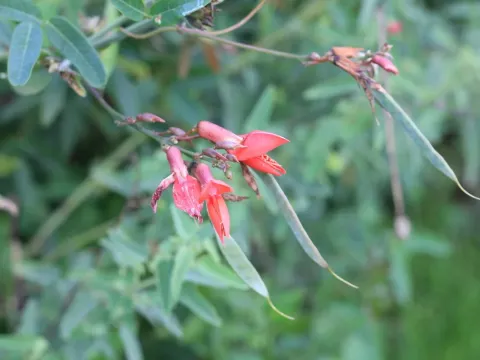
Camptosema
Camptosema
Camptosema is a genus of climbing shrubs and vines belonging to the Fabaceae family, commonly found in the tropical regions of South America. These plants are characterized by their woody stems and the ability to thrive in diverse environments ranging from dense forests to savanna edges.
What the section contains

Camptosema
The climate requirements for Camptosema are strictly tropical. The plants demand consistent temperatures and high humidity, making them unsuitable for outdoor cultivation in temperate regions without protected environments like greenhouses or conservatories.
Regarding soil conditions, this culture thrives in well-draining, slightly acidic substrates. It is vital to maintain a balance of moisture in the soil, as waterlogging is highly detrimental to the root system and can lead to irreversible damage to the plant.
Agricultural management of Camptosema focuses on structural support. As a genus of vigorous climbers, these plants require trellises, arbors, or existing vegetation to reach their full growth potential and produce abundant inflorescences.
In terms of хозяйственное (economic) utilization, Camptosema is primarily valued for its ornamental contribution to landscape architecture. Its striking, often vibrant flowers make it a preferred choice for vertical gardening and floral exhibits in tropical climates.
Typical diseases affecting the culture involve fungal infections, such as root rot and leaf spot, which are frequently caused by poor soil drainage or high humidity combined with stagnant air. Maintaining clean growing conditions is the best preventive strategy.
Pests that commonly impact the health of Camptosema include spider mites and mealybugs. These organisms can rapidly multiply on the undersides of leaves, requiring constant vigilance and the application of targeted biological control measures when populations increase.