
Calopogonium mucunoides
Calopogonium mucunoides Desv.
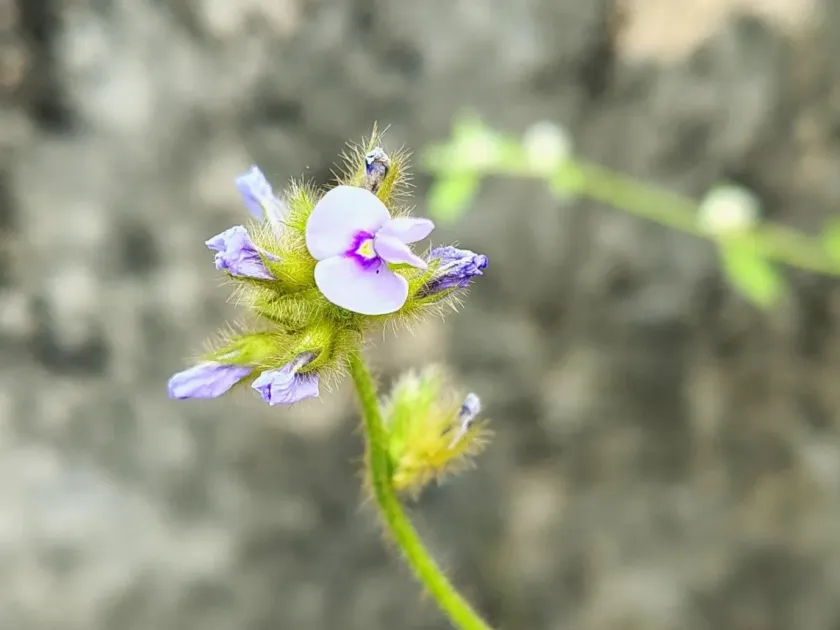
Description
Sowing dates
Sowing Calopogonium mucunoides is best performed at the onset of the rainy season. This ensures that seedlings receive adequate moisture during their crucial early establishment phase.
Seeds are typically sown via direct seeding into prepared soil or shallow furrows. The recommended seeding rate is between 3 to 5 kilograms per hectare to establish a uniform and dense ground cover.
Because the seeds possess a hard seed coat, pre-sowing treatment is essential. Mechanical scarification or soaking in warm water significantly improves germination rates and ensures faster field emergence.
Once established, the plant spreads rapidly across the soil surface. This quick growth allows it to outcompete most weeds, serving as a highly effective living mulch in plantations.
Proper seed placement depth should not exceed 2-3 cm. Shallow planting ensures the germinating seedling has sufficient access to oxygen while avoiding the depletion of stored energy reserves.
Growing requirements
Calopogonium mucunoides is a perennial legume native to tropical regions. It thrives in high-temperature environments and is highly adaptable to a wide range of tropical soil types.
The crop is known for its remarkable tolerance to acidic soils with low fertility, making it an excellent choice for improving degraded land. It prefers well-drained soils but can handle periodic high humidity.
Waterlogging is a major constraint, as the root system is prone to decay under anaerobic conditions. Therefore, site selection or drainage management is necessary in low-lying areas.
It requires high solar radiation for optimal biomass production. While it can tolerate partial shade, its nitrogen-fixing capabilities and growth rates are significantly reduced under dense canopy cover.
The symbiotic relationship with nitrogen-fixing bacteria allows the plant to thrive in nutrient-poor environments. This biological process is the cornerstone of its value in sustainable agricultural practices.
Yield
This crop is highly valued for its ability to produce significant amounts of biomass. Yields of green manure can reach 20-30 tonnes per hectare, providing excellent organic matter for the soil.
As a nitrogen-fixing powerhouse, it contributes large quantities of nitrogen to the soil profile. This effectively acts as a natural fertilizer for subsequent plantation crops like oil palm or rubber.
The root system helps in soil conservation by preventing erosion, especially in hilly areas where run-off can be destructive. It also improves soil structure through the continuous turnover of organic material.
Seed harvesting is conducted when the pods reach maturity and turn a dark brown color. A well-managed crop can provide a reliable yield of seeds for future planting cycles.
Its ability to act as a permanent ground cover makes it a low-maintenance solution for orchard and plantation management, reducing the need for intensive soil management practices.
Main diseases and pests
Anthracnose is the most common fungal disease affecting the crop, particularly in periods of prolonged rainfall. It causes lesions on leaves and stems, which can reduce overall plant vigor.
While generally robust, the plant can be susceptible to defoliating insects such as caterpillars. In most cases, the plant's rapid growth compensates for this leaf damage without significant economic loss.
Nematode infestation is a potential concern if the crop is cultivated repeatedly on the same plot. Crop rotation with non-host species is recommended to break the life cycle of these pests.
Management of these threats is typically focused on preventative measures, such as maintaining appropriate density to ensure good air circulation and reducing humidity within the crop canopy.
Chemical intervention is rarely required due to the crop's purpose as a low-input ground cover. Most management strategies rely on cultural practices to maintain the health of the stand.