
Aeschynomene virginica
Aeschynomene virginica
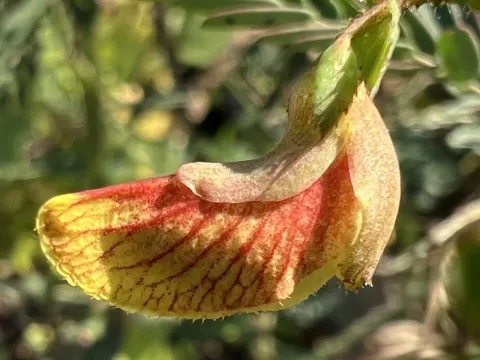
Aeschynomene virginica, commonly known as sensitive jointvetch, is an annual herb belonging to the Fabaceae family. It is characterized by rapid vegetative growth during the warm season, which is typical for the climate of its native eastern North America.
What the section contains
Aeschynomene virginica
The optimal sowing time occurs once the soil has warmed sufficiently and the risk of frost is eliminated. In its natural range, the plant is typically found in river floodplains, which implies it requires high soil moisture availability during the early stages of its development.
Seeds of this species benefit from scarification or stratification to enhance germination energy. Planting should be done in well-prepared, moist soil at a shallow depth to ensure rapid and uniform seedling emergence.
Planting density should be managed to ensure each individual plant has sufficient access to sunlight and nutrients. In experimental or field cultivation, row planting is recommended to facilitate weed control and regular crop maintenance.
Effective weed management during the first few weeks of growth is critical for success. Because seedlings are highly sensitive to competition, clearing the field of established perennial weeds prior to planting is a mandatory agronomic practice.
This species has high requirements for substrate moisture. Ideal growing sites include riparian zones, muddy flats, and periodically flooded areas where the soil retains high water-holding capacity throughout the summer months.
The crop requires full sun exposure and is highly sensitive to shading by taller vegetation. Adequate solar radiation is a fundamental condition for biomass accumulation and the successful progression of flowering cycles.
Soil composition should be rich in organic matter, although the plant is adaptable to heavy clay soils, provided they do not dry out completely. A neutral to slightly acidic pH range is considered most favorable for robust root system development.
The climate must provide a warm and humid summer. The plant performs poorly under drought stress; therefore, in regions with irregular rainfall, supplemental irrigation is necessary to maintain leaf turgor and metabolic activity.
As a nitrogen-fixing legume, this plant efficiently utilizes atmospheric nitrogen through a symbiotic relationship with specific soil bacteria in its root nodules. Proper soil aeration supports these symbionts and significantly boosts overall productivity.
The primary threats to the crop include specific fungal diseases that thrive in high humidity and stagnant air conditions. Leaf spot infections can severely reduce the photosynthetic capacity of the plants, leading to decreased vigor.
Insect pests, such as weevils and various caterpillar species, often attack the generative organs of the plant. During the flowering period, regular field scouting is essential to detect pest infestations and apply timely control measures.
Competition from invasive plant species poses a significant risk. Aggressive weeds can easily outcompete Aeschynomene virginica for light and soil nutrients, especially during the early stages of the vegetative period.
Adverse weather events, such as extreme temperature fluctuations and heavy downpours, may cause lodging of the stems. While the stems are flexible, mechanical injuries often act as entry points for pathogens, leading to secondary rot.
An integrated pest management approach is recommended to minimize chemical input. Crop rotation and maintaining optimal planting density are effective strategies for reducing the incidence and severity of potential disease outbreaks.