
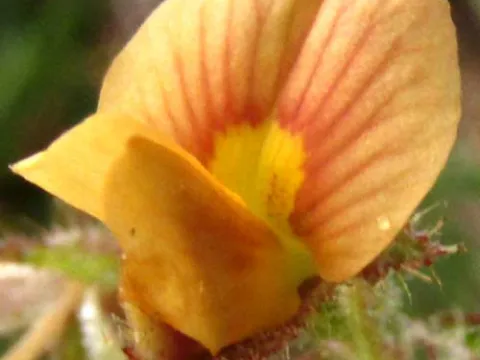
Aeschynomene pulchella
Aeschynomene pulchella
Aeschynomene pulchella is a tropical legume, and its planting timing is strictly dictated by the onset of the warm season. Sowing usually begins when soil temperatures consistently reach at least 25 to 30 degrees Celsius.
What the section contains
Aeschynomene pulchella
The seeds have a hard seed coat that requires scarification to improve germination rates. Without this pre-treatment, emergence can be slow and uneven across the field.
Planting depth should be kept shallow, specifically between 1 and 2 centimeters. Placing the seeds deeper can result in stunted seedlings due to the depletion of energy reserves before reaching the surface.
In areas where this species is not indigenous, it is essential to inoculate the seeds with specific Bradyrhizobium strains. This ensures the plant effectively fixes atmospheric nitrogen in the soil.
Row planting with spacing around 30 to 45 centimeters is recommended. This setup provides enough space for individual plant growth while allowing the crop to canopy quickly, which helps in suppressing unwanted weeds.
Belonging to the Fabaceae family, Aeschynomene pulchella thrives in warm, humid climates. It is highly sensitive to frost, which limits its commercial cultivation to tropical and subtropical geographic regions.
One of the most notable traits of this plant is its tolerance to waterlogged conditions. It performs exceptionally well in heavy, poorly drained soils where other legumes would suffer from root rot.
The plant prefers soils with a neutral to slightly acidic pH. Extreme soil alkalinity should be avoided, as it can cause micronutrient deficiencies, particularly affecting the plant’s ability to photosynthesize.
Aeschynomene pulchella is a heliophilic plant, requiring full sun for optimal performance. While it can survive in partial shade, biomass production will be significantly lower compared to plants grown in full light.
Adequate moisture during the first month of growth is critical. Once established, the root system becomes robust enough to handle short dry spells, though consistent moisture remains preferred for maximum yields.
Yields of fresh biomass for Aeschynomene pulchella range from 15 to 25 tons per hectare. Variations depend largely on soil fertility, moisture availability, and the specific variety being cultivated.
As a powerful cover crop, it contributes significantly to soil health by fixing atmospheric nitrogen. It can provide up to 150 kg of nitrogen per hectare, which becomes available for subsequent crops in the rotation.
Seed production is another viable economic aspect of this crop. Under good management, farmers can expect yields between 500 and 800 kilograms of high-quality seeds per hectare.
Phosphorus and potassium applications during the budding phase are highly recommended. These nutrients enhance both the structural integrity of the plant and its reproductive output.
To maintain high yield levels over multiple harvests, it is important to prevent competition from weeds during the early establishment phase, as the plant is not highly competitive against aggressive grass species.
Pest pressure is often dominated by leaf-eating beetles and weevils. These insects can cause significant defoliation if left unchecked, reducing the plant’s overall vitality and yield potential.
Fungal diseases like anthracnose and various leaf spots are common in high-humidity environments. Implementing proper planting densities and ensuring good airflow is essential to minimize the risk of infection.
Root-knot nematodes pose a threat, particularly in sandy soil environments. Rotating the crop with non-host species is the most effective biological control method to prevent population buildup.
Viral infections transmitted by sap-sucking insects like aphids can cause mosaic symptoms and leaf deformation. Controlling insect vectors is vital for maintaining a healthy and productive stand.
Proactive monitoring of the fields during the rainy season allows for early detection of pest and disease outbreaks, facilitating targeted and effective management actions.
Harvesting for forage is ideally performed during the flowering stage. At this point, the plant contains the highest concentration of crude protein and digestible nutrients for livestock feed.
When harvesting, ensure the cutting height is maintained at 10–15 centimeters. This high-stubble approach protects the primary growing points, allowing for faster regrowth and a potential second harvest.
Seed harvesting should be timed carefully when approximately 70–80% of the pods turn brown. Delaying the harvest beyond this point increases the risk of pods shattering and losing seeds in the field.
Post-harvest handling is critical. Forage should be dried or ensiled immediately after cutting to preserve nutrient density and prevent rapid degradation caused by environmental exposure.
When storing seeds, ensure they are cleaned of debris and kept in a cool, dry place. Proper storage at moisture levels below 12% ensures long-term viability for the next planting season.