
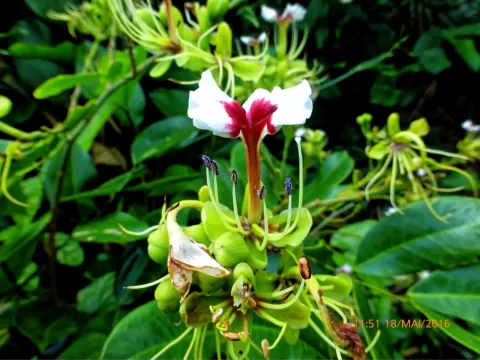
Afzelia bipindensis
Afzelia bipindensis
Afzelia bipindensis is a magnificent tree species belonging to the Fabaceae family, native to the tropical rainforests of Central and West Africa. As a large-canopy tree, it plays a vital role in maintaining the ecological balance of its habitat while serving as a source of premium timber.
What the section contains
Afzelia bipindensis
The species thrives in areas with high annual rainfall and consistent, warm temperatures throughout the year. It requires deep, well-draining soils rich in organic matter to support its rapid vertical growth and massive root architecture, which keeps the tree stable in tropical storms.
Botanically, it is characterized by its pinnate leaves and distinctive hard pods containing seeds. As a member of the legume family, the tree possesses the capacity for symbiotic nitrogen fixation, which significantly contributes to soil fertility within its immediate root zone.
Successful propagation requires careful nursery management, as seedlings are sensitive to harsh sunlight during their early developmental phases. Protecting young plants with natural cover or artificial shade is essential for establishing strong, healthy growth before transplanting to permanent sites.
Maintenance of the plantation involves regular monitoring for soil nutrient levels and competitive flora. Given its long growth cycle, Afzelia bipindensis is often integrated into mixed-species forestry programs, promoting structural diversity and resilience against local environmental challenges.
The primary economic value of Afzelia bipindensis lies in its dense, durable, and rot-resistant timber, globally known under the trade name Doussie. This wood is highly prized in the international market for its excellent physical properties and rich, reddish-brown aesthetics.
Harvesting operations follow sustainable silvicultural practices, emphasizing selective logging to protect younger trees and overall forest health. This ensures that the forest ecosystem remains productive while providing a steady supply of high-quality material for various industries.
Once harvested, the logs undergo a rigorous drying process to reduce moisture content. Because of the wood's inherent density, careful control of kiln drying conditions is paramount to ensure dimensional stability and prevent the formation of checks or splits in the finished lumber.
Doussie timber is widely utilized for high-end flooring, fine cabinetry, boat building, and heavy-duty structural components. Its natural resistance to insects and fungi makes it a preferred choice for outdoor applications, including decking and architectural accents exposed to the elements.
As international demand for sustainable tropical hardwoods grows, responsible management of Afzelia bipindensis remains crucial. By combining traditional forestry knowledge with modern conservation techniques, stakeholders can ensure this valuable resource remains available for future generations.