
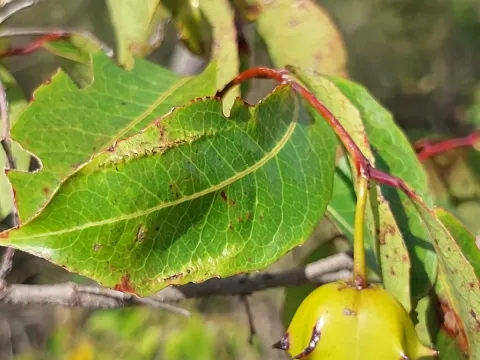
Sclerocroton
Sclerocroton
Sclerocroton is a genus belonging to the Euphorbiaceae family. These plants are native to tropical regions of Africa, where they thrive in diverse ecological niches.
What the section contains


Sclerocroton
The cultivation of Sclerocroton requires nutrient-rich soils that possess excellent drainage properties to prevent the accumulation of excess water around the roots.
As a tropical plant, it demands consistently high temperatures throughout the year. It does not possess frost tolerance, and even moderate cooling can stunt its growth.
The plant performs best under partial shade, as intense direct tropical sunlight can cause severe leaf scorch and dehydration of the young canopy.
High relative humidity is essential for the healthy physiological development of the plant, replicating the humid microclimate of its natural forest habitat.
Root rot remains the most significant threat to Sclerocroton plantations, typically caused by waterlogged soil conditions or poor field management.
Spider mites are common pests that thrive in dry air conditions, significantly reducing the photosynthetic capacity of the leaves through extensive tissue damage.
Fungal diseases, including powdery mildew, frequently affect the foliage, especially in areas with stagnant air and insufficient spacing between individual trees.
Insects such as aphids and leaf miners can cause stress to the plant, acting as vectors for various diseases that are prevalent in tropical agro-ecosystems.
Effective management strategies include implementing appropriate spacing protocols and using integrated pest management to ensure long-term plant viability.