
Scaly spurge
Euphorbia squamigera
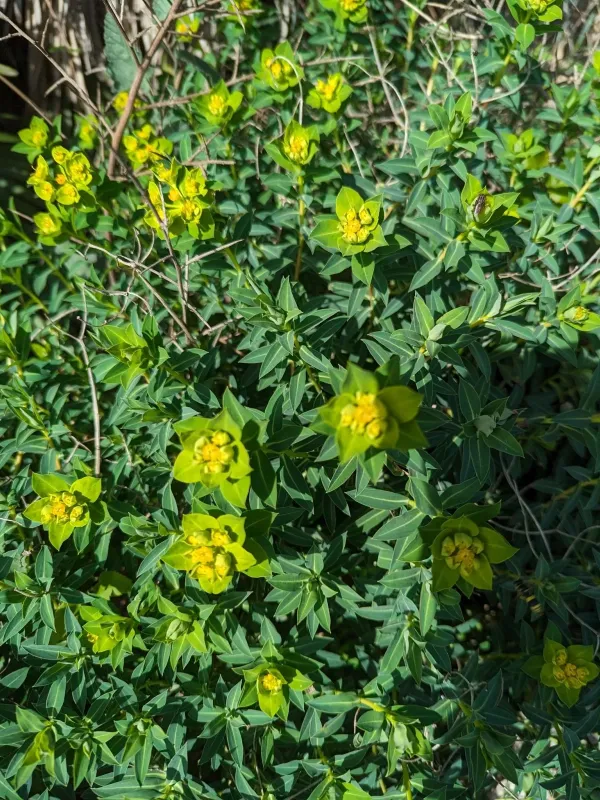
Description
Growing requirements
Scaly spurge (Euphorbia squamigera) is a perennial herbaceous plant belonging to the Euphorbiaceae family. It is native to the Mediterranean basin, characterized by rocky terrains and sun-drenched hillsides.
The plant thrives in well-draining, calcareous, or stony soils. It is highly resistant to drought and can survive in areas where other agricultural crops would fail due to the lack of sufficient precipitation.
Regarding climate, it requires warm temperatures and full sun exposure to flourish. It is not cold-hardy and can suffer significant tissue damage if exposed to prolonged frost, making it suitable only for specific microclimates or protected cultivation.
Soil preparation involves ensuring excellent drainage, as the plant is susceptible to root rot if the soil becomes waterlogged. Fertilization needs are relatively low compared to commercial annual crops, focusing primarily on maintaining mineral balance.
Agricultural management is relatively simple, requiring manual or mechanical weeding in the early stages of establishment. Once the plant is fully rooted, it becomes highly competitive and can outcompete most common weeds in the area.
Main diseases and pests
The primary threats to Euphorbia squamigera include fungal pathogens such as Fusarium species, which target the root system in poorly drained or overly acidic soil conditions during the rainy season.
Insect pests such as spider mites and aphids are known to feed on the tender shoots and leaves. Regular monitoring is essential to prevent infestations that could potentially stunt plant growth and reduce the quality of the harvest.
Leaf blight can occur when humidity levels are consistently high. Removing debris and maintaining proper air circulation around the plants significantly reduces the risk of fungal outbreaks in the field.
Nematodes are a significant underground threat, particularly in lighter, sandy soils. Soil analysis prior to planting is recommended to ensure the field is free from these harmful microscopic organisms.
Finally, birds or rodents may occasionally damage seeds or young seedlings. Protective measures, such as netting or deterrents, are often employed during the early germination and establishment phases of the culture.