
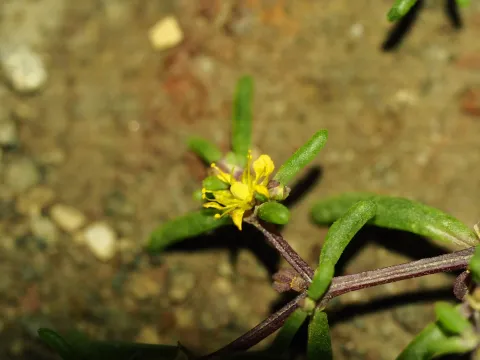
Jatropha spinosa
Jatropha spinosa
Sowing of Jatropha spinosa is typically performed by planting seeds directly into prepared soil at the onset of the rainy season, which ensures adequate moisture levels for germination. In arid regions, planting pre-grown seedlings is often preferred to ensure higher survival rates and establish a stronger root system during the initial growth phase.
What the section contains
Jatropha spinosa
Seeds are usually sown at a depth of 3 to 5 centimeters to prevent them from drying out due to intense solar radiation. A recommended spacing of 2x2 or 3x3 meters is vital for the plant to achieve optimal crown development and minimize competition for limited soil nutrients and water resources.
Vegetative propagation via cuttings is a viable alternative to seed sowing, allowing for faster maturation and the establishment of uniform plantations. Cuttings should be planted in well-drained substrate at temperatures above 25°C, with the application of rooting hormones to significantly enhance success rates.
Effective land preparation prior to planting is critical, involving the thorough clearing of competing weeds that can stifle the growth of young Jatropha plants. Incorporating organic fertilizers into the planting pits provides the necessary nutrients for robust early development.
Crop rotation systems involving Jatropha usually feature drought-tolerant cereals, making the best use of marginal lands where intensive irrigation is not feasible or sustainable in the long term.
Jatropha spinosa, belonging to the Euphorbiaceae family, is a highly resilient xerophyte that has evolved to thrive in harsh, semi-arid environments. Its biological structure is perfectly adapted to withstand prolonged periods of high heat and moisture scarcity.
The crop is not demanding regarding soil quality, showing an impressive ability to grow in rocky, sandy, or degraded soils where conventional agriculture would fail. However, deep, well-drained loamy soils with a neutral pH are preferred for maximizing biomass and seed yields.
Sunlight is a primary requirement for this species; Jatropha spinosa requires full exposure to solar radiation for optimal photosynthetic activity and flower induction. Shaded environments inhibit its growth and result in significantly lower overall productivity.
While the plant is incredibly drought-tolerant, annual rainfall between 300 and 400 mm is sufficient to maintain steady growth. Supplemental irrigation during the reproductive phase can lead to a marked increase in the number of fruits produced per cluster.
Open fields are the ideal site for commercial cultivation. Aside from production, Jatropha spinosa acts as a powerful tool for soil stabilization, as its deep root system effectively combats soil erosion in vulnerable areas.
The yield potential of Jatropha spinosa increases progressively as the plantation matures, typically starting to produce a harvestable amount by the third or fourth year. Peak production is generally reached when the plants are between seven and ten years old.
Average seed yields range from 1.5 to 3 tons per hectare under well-managed conditions. The high oil content of the seeds makes this species a promising raw material for the production of biodiesel and various industrial lubricants.
Regular pruning is a mandatory practice for achieving high yields. By carefully managing the crown and removing excessive vegetative growth, farmers can stimulate the production of lateral branches that carry the majority of the plant's flower clusters.
Harvesting is typically carried out in several passes due to the asynchronous ripening of the fruits. Precise timing is essential to prevent the fruit capsules from drying and cracking on the tree, which leads to significant seed loss on the ground.
Post-harvest processing involves drying the seeds to a moisture content of 8–10% to prevent fungal growth during storage. Proper drying ensures that the quality and chemical stability of the oil extracted from the seeds remain intact.
Jatropha spinosa possesses a natural chemical defense mechanism due to the presence of curcin, a toxic protein, which makes it resistant to many common agricultural pests. However, it is not entirely immune and may occasionally suffer from mealybug or spider mite infestations.
Root rot caused by fungal pathogens is the most significant threat, typically occurring in poorly drained soils or during periods of excessive rainfall. Constant waterlogging is the primary environmental factor that predisposes these plants to fatal root infections.
Leaf spot diseases, often attributed to Cercospora fungi, can decrease the plant's photosynthetic capacity, especially in humid conditions. Management strategies involve the removal of infected foliage and the timely application of systemic fungicides.
Biological pest control methods are prioritized in Jatropha plantations to maintain ecological balance. Maintaining appropriate plant density is a key preventative measure, as it improves air circulation and reduces the micro-climatic humidity that favors pathogen growth.
Ongoing monitoring of the plantation is required to detect early signs of pest or disease outbreaks, allowing for rapid intervention before localized issues escalate into widespread crop damage.
Harvesting commences when the fruit capsules transition from green to a yellow or brownish hue, signaling that the seeds have reached physiological maturity. Delaying the harvest beyond this stage often leads to fruit dehiscence and seed shedding.
Manual harvesting is common in smallholder setups as it allows for selective picking, ensuring that only high-quality, fully ripe fruits are collected. On large-scale commercial plantations, adapted mechanical harvesters are employed to maximize efficiency.
After collection, the fruits are depulped and the seeds are cleaned of debris. Thorough cleaning and subsequent drying are necessary steps to preserve the integrity of the oil contained within the seeds for long-term storage.
Seed storage requires dry, well-ventilated, and cool conditions to ensure long shelf life without deterioration. When stored correctly, Jatropha seeds retain their oil content and quality for extended periods, making them ideal for staggered industrial processing.
Transport logistics for the harvest should include the use of breathable containers to avoid heat buildup, which can lead to oil degradation or, in extreme cases, self-heating of the seed mass.