
Joannesia
Joannesia
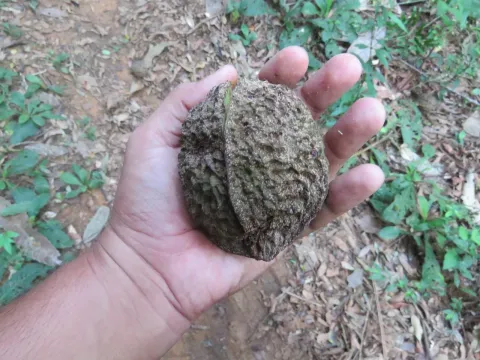
Joannesia, specifically the species Joannesia princeps, is a tropical tree propagated primarily through seeds. Planting should occur in warm, moist, and well-drained soil typical of tropical ecosystems where the frost-free season is year-round.
What the section contains

Joannesia
The seeds possess a robust shell, which often requires pre-treatment such as scarification or soaking to improve germination rates. Once conditions are optimal, the seeds exhibit vigorous growth, making the initial establishment phase critical for the future success of the tree.
When sowing, it is essential to consider the final size of the tree, as it develops a broad, dense crown. Proper spacing is necessary to allow for adequate air circulation and to prevent the overcrowding that often leads to increased humidity-related diseases.
The best time for planting aligns with the onset of the rainy season, ensuring the young trees have sufficient moisture to establish their root systems before the drier months. Consistent moisture is vital during the juvenile stage of the plant's lifecycle.
Seedlings benefit from partial shade during their first year to protect them from excessive direct sunlight. As the tree matures, it becomes more tolerant to full sun exposure, provided that the soil retains enough moisture to support its metabolic needs.
As a member of the Euphorbiaceae family, Joannesia thrives in tropical climates characterized by high humidity and consistent temperatures. It requires fertile, deep soils rich in organic matter to support its rapid development and nutrient uptake.
The plant is highly sensitive to cold temperatures and cannot tolerate frost. Its cultivation area is essentially restricted to tropical and sub-tropical zones where the temperature remains within an optimal range of 22 to 30 degrees Celsius.
Effective drainage is non-negotiable for Joannesia. While it loves moisture, stagnant water around the roots can lead to fatal rot and structural instability. Implementing raised beds or natural slope cultivation can mitigate these risks effectively.
Soil pH should be monitored regularly, with a preference for slightly acidic to neutral conditions. Organic fertilization using compost or well-rotted manure helps maintain the soil's structure and fertility, which are essential for long-term tree health.
Regular maintenance, including light pruning, is required to manage the tree's architecture. Removing dead or diseased branches ensures that the inner parts of the crown remain ventilated, thereby reducing the risk of fungal infections in the humid canopy.
The primary economic value of Joannesia lies in its seeds, which are rich in fatty oils. This oil is known for its quick-drying properties, making it a valuable raw material for the production of specialized paints, varnishes, and industrial lubricants.
Yields are influenced by tree age, climate stability, and management practices. While the tree begins to produce fruit within a few years of growth, industrial-scale yields are typically reached only after the tree has attained a certain level of maturity.
Processing the seeds requires specific technical handling, as they may contain compounds that must be neutralized during the extraction process. Industrial extraction is commonly performed via mechanical pressing to isolate the high-quality technical oil.
Beyond its industrial applications, researchers have explored the potential use of various plant components in medicinal contexts. However, due to the presence of bioactive substances, any such use must be backed by rigorous scientific testing and safety protocols.
Harvesting is usually timed with the natural maturation of the fruit. Collection involves either picking ripe fruits from the branches or gathering them from the ground once they have naturally fallen, ensuring they are dried correctly to prevent fungal spoilage.
The primary biological threats to Joannesia are fungal infections, which flourish in the high-humidity environments where the plant is grown. These pathogens can attack leaves, stems, and roots, leading to significant yield losses if left unchecked.
Pests such as beetles and specific leaf-feeding insects are common. These organisms can weaken the tree's health and damage the fruit, necessitating a structured Integrated Pest Management (IPM) plan that uses both biological and chemical controls.
Root rot is a major risk, particularly in poorly drained soils or during prolonged periods of excessive rainfall. Preventing water accumulation around the base of the tree is the most effective cultural strategy for minimizing the impact of soil-borne pathogens.
Mechanical damage to the bark, caused by wind or improper pruning, acts as an entry point for bacteria and fungal spores. Maintaining the tree’s structural integrity and treating wounds promptly with appropriate sealants is crucial for preventing infections.
For large-scale cultivation, nutritional deficiencies can also mimic symptoms of disease. Ensuring a balanced fertilization program helps the trees maintain a strong immune system, allowing them to better withstand environmental stresses and pathogen attacks.