
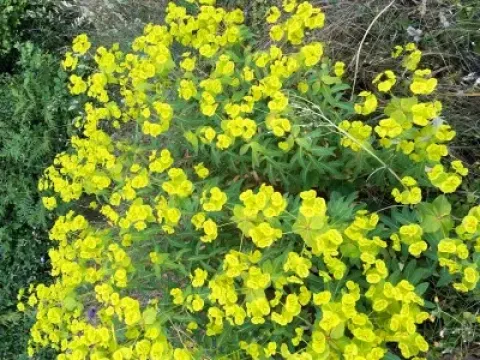
Panicled spurge
Euphorbia paniculata
Panicled spurge (Euphorbia paniculata) is a perennial herbaceous plant belonging to the Euphorbiaceae family. It is recognized for its panicle-like inflorescences and structural development, making it an interesting subject for agricultural and botanical study.
What the section contains
Panicled spurge
The plant thrives in well-drained, sandy loam soils with moderate fertility levels. It exhibits significant adaptability to various climatic conditions, preferring sunny environments that promote optimal metabolic processes and active flowering cycles.
Regarding cultivation requirements, Euphorbia paniculata needs well-structured soil that avoids water stagnation. Excess soil moisture can lead to root system degradation, which is detrimental to the plant's overall health and the chemical quality of its sap.
Standard agrotechnical practices involve careful management of mineral nutrition. The plant responds well to balanced fertilizing, although it is hardy enough to survive in low-nutrient soil if necessary conditions are met.
Economically, this species is valued for its potential in pharmaceutical research due to the complex secondary metabolites present in its latex, requiring careful harvesting and processing techniques.
The primary threats to Euphorbia paniculata include fungal infections such as powdery mildew, which thrive in humid conditions and poor airflow environments.
Root rot, often caused by overwatering or poor drainage, is a critical pathogen that can destroy plant populations in a relatively short period.
Common insect pests include aphids and spider mites, which congregate on the undersides of leaves and on succulent young stems, leading to weakened plants.
Proper weed management is essential during the early stages of growth to ensure the plant has sufficient access to sunlight and moisture without competition.
Monitoring for signs of wilting is vital for early detection of both soil-borne diseases and physical damage caused by burrowing pests during the growing season.