
Pimelodendron
Pimelodendron
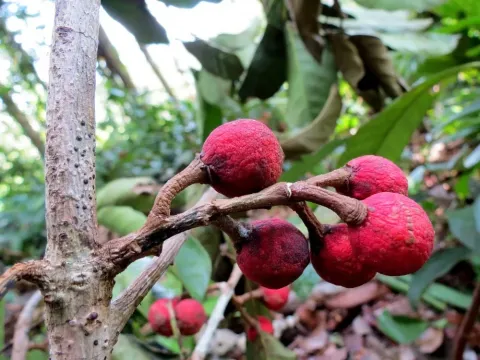
Pimelodendron is a genus belonging to the Euphorbiaceae family. These are evergreen trees native to the tropical rainforests of Southeast Asia, including regions such as the Philippines, Indonesia, and New Guinea.
What the section contains
Pimelodendron
The plant thrives in humid tropical climates characterized by high average temperatures and abundant rainfall. It is highly sensitive to significant temperature fluctuations and requires shelter from strong winds, which limits its natural distribution to rainforest environments.
For optimal growth, the tree requires deep, well-drained, and fertile soils. Loamy soils rich in organic matter are ideal, as they replicate the environment of tropical zones where biomass decomposition occurs throughout the year.
Biologically, the species is adapted to high air humidity. Access to dappled sunlight during the early stages of development is crucial for establishing a healthy and robust root system under the forest canopy.
While large-scale industrial cultivation is limited, Pimelodendron is valued for the oil-bearing properties of its seeds. Local communities utilize the fruits primarily for the extraction of edible vegetable oils.
The primary threats to this species, both in the wild and in managed settings, include specific tropical pests such as wood-boring insects that can severely damage the tree trunk.
Fungal diseases affecting the root system often emerge in waterlogged conditions if the soil structure fails to provide adequate drainage. High humidity levels encourage pathogen spread, necessitating strict soil aeration management.
Leaf spot diseases are common in young saplings if the lighting regime is inadequate or if planting density is too high. Maintaining proper spacing is essential to ensure sufficient natural ventilation and disease prevention.
Fruit-feeding pests can significantly impact the yield of oil-bearing seeds. Regular population monitoring is vital during the maturation phase to prevent harvest losses.
Depletion of soil fertility over long-term cultivation is another significant risk factor. The application of organic fertilizers is required to maintain the vigor and health of mature trees over time.