
Pachystroma
Pachystroma
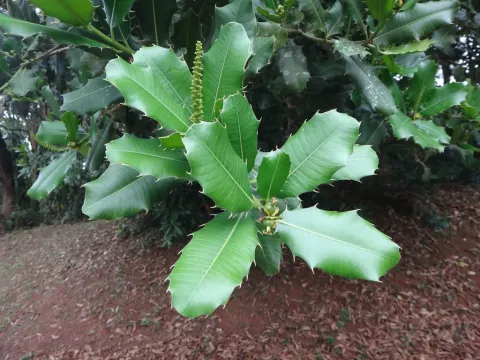
Pachystroma is a genus of flowering plants belonging to the Euphorbiaceae family. It is a monotypic genus, with Pachystroma longifolium being the only recognized representative within the group.
What the section contains


Pachystroma
The plant originates from South America, primarily occurring in the forested areas of Brazil. It has evolved to thrive in tropical climates, which remain consistently warm and humid throughout the calendar year.
Botanically, it is classified as an evergreen tree or a robust shrub. Its leaves are thick and leathery, which acts as a protective adaptation against the moisture loss often experienced in forest canopy environments.
Cultivation requires specific environmental conditions, including well-draining soil rich in organic matter. Providing consistent warmth and protection from cold drafts is essential for the healthy growth of this species.
While not a traditional agricultural crop for mass production, Pachystroma is recognized for its botanical value. It is often studied in conservatory settings due to its unique position within the spurge family.
Like many tropical species, Pachystroma can be susceptible to root-related diseases if the soil remains waterlogged for extended periods. Maintaining proper drainage is the primary defense strategy.
Common pests include greenhouse insects such as spider mites and scale insects. Integrated pest management, focusing on early detection and environmental control, is highly recommended for maintaining healthy specimens.