
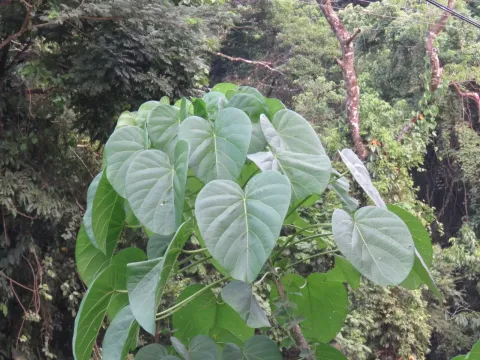
Omphalea
Omphalea
Omphalea is a genus of flowering plants belonging to the Euphorbiaceae family. It primarily consists of tropical woody climbers, shrubs, and trees native to tropical regions of the Americas, Africa, and parts of the Pacific.
What the section contains


Omphalea
The plant thrives in humid tropical environments with stable temperatures. It requires fertile, deep, and well-draining soil to support its robust root system. Soil texture should facilitate rapid water drainage to prevent rot.
Environmental conditions must mimic the tropical forest understory or canopy layer, depending on the specific species. It is crucial to maintain high relative humidity and avoid exposure to sudden cold snaps or drought.
Agricultural management includes site selection that provides protection from strong winds and sufficient space for climbing species. Shade management is essential for young plants to ensure healthy development.
Maintenance of soil fertility through organic matter application is recommended, as the plant responds well to nutrient-rich forest soils. Regular monitoring of growth cycles helps in planning seasonal care.
The primary agricultural interest in Omphalea lies in its seeds, which are rich in oils and proteins. In several tropical cultures, these seeds are prepared and consumed as a food source similar to nuts.
Apart from nutritional uses, some species provide timber used in local traditional construction. The bark and sap are also subjects of interest for ethnobotanical studies due to their chemical composition.
Yield efficiency is highly dependent on the success of natural pollination. As these plants are often insect-pollinated, the presence of specific pollinators in the cultivation area is vital for high fruit set.
Harvesting usually involves the manual gathering of mature fruits once they drop or become easily detachable. Post-harvest handling is critical to ensure the quality of the seeds and oil yield.
The commercial potential of the genus remains largely underdeveloped, with most current usage being on a small or local scale. Improved genetic selection could lead to higher yield varieties.
Omphalea species are well-known host plants for larvae of various moth species, particularly within the Uraniidae family. These insects can cause extensive defoliation if populations are not managed.
Fungal pathogens represent the most significant disease risk, often triggered by excessive moisture and poor aeration. These pathogens may affect the root system or the aerial parts of the plant.
Integrated Pest Management (IPM) is the suggested approach to control pests. This includes monitoring for egg clusters and using physical barriers or biological control agents to maintain plant health.
Preventative measures against disease include avoiding waterlogging and ensuring sufficient distance between individual plants to promote air circulation within the canopy.
Routine inspections for signs of stress, such as yellowing leaves or stunted growth, are necessary to identify problems early before they spread across the entire cultivation site.