
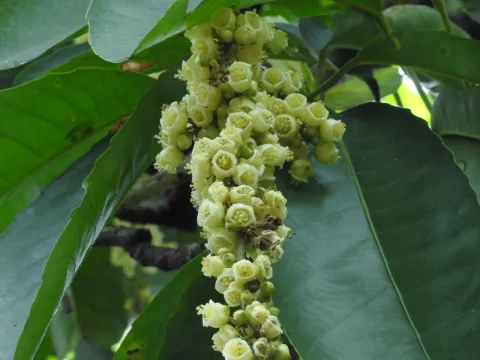
Paracroton
Paracroton
Paracroton is a genus of evergreen woody plants that belongs to the Euphorbiaceae family. These plants are native to tropical regions of South and Southeast Asia, including parts of India and Sri Lanka. They typically occupy forest habitats where high humidity and warm temperatures persist throughout the year.
What the section contains


Paracroton
To cultivate Paracroton successfully, it is essential to maintain environmental conditions that mimic their native tropical habitat. The plants require a stable temperature range, ideally between 22°C and 28°C. Exposure to cold stress or frost must be strictly avoided, as the plants do not possess evolutionary adaptations to handle sub-zero temperatures.
Soil quality plays a critical role in the growth of the genus. They require fertile, well-drained soils that offer good aeration. Waterlogging is a significant threat to root health, and therefore, planting in heavy, compacted clays should be avoided unless the soil profile is significantly improved with organic matter and drainage systems.
Agricultural practices for Paracroton involve careful irrigation management to ensure consistent moisture levels, especially during dry spells. In commercial or experimental nursery settings, providing appropriate shading is often necessary to prevent leaf scorch, as the plants are naturally adapted to the filtered light of the forest understory.
Regular maintenance of the plantation includes weed control and nutrient management. Fertilization strategies should be balanced to support vegetative vigor without causing excessive, weak growth. Pruning may also be required to manage plant shape and improve light penetration within the canopy, which in turn enhances overall plant health and resilience.