
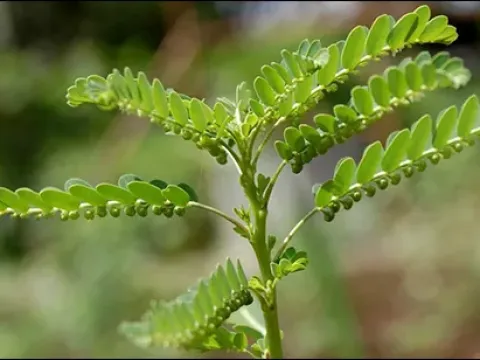
Niruri
Euphorbia niruri
Niruri is a warmth-loving annual herb that requires stable tropical or subtropical conditions for successful development. Seeds should be sown in well-prepared soil once ground temperatures consistently remain above 20 degrees Celsius, as the plant is highly sensitive to cold.
What the section contains
Niruri
The seeds are small and often have a hard coat, requiring light scarification or soaking in lukewarm water to enhance germination rates. Sowing depth should be shallow, generally between 0.5 and 1 centimeter, to allow for optimal light penetration during the sprouting phase.
For more controlled environments, starting the crop in seedling trays is highly recommended. This practice ensures better protection for young plants against heavy rains and weed pressure, allowing for transplantation into the main field once they reach a sturdy size.
Planting density is crucial for long-term health, with recommended spacing being roughly 30 cm between plants and 50 cm between rows. This arrangement promotes airflow, which is essential to prevent moisture buildup within the dense canopy during the growth cycle.
Preparation of the seedbed should involve the removal of all competing vegetation. Because the initial growth stage of Niruri is relatively slow, keeping the field free from aggressive weeds for the first few weeks is vital for the crop's establishment.
Niruri thrives in well-drained, fertile sandy-loam soils that have a slightly acidic to neutral pH level. Effective water management is essential; while the plant requires consistent moisture for growth, stagnant water can lead to root rot and other fatal conditions.
Sunlight exposure is a major factor in the plant's metabolic activity. Full sun exposure is preferred, as shade can lead to leggy, weak plants with a lower concentration of secondary metabolites, which are key for the crop's medicinal value.
The plant is adapted to high-temperature regions and performs best under conditions where temperatures fluctuate between 25 and 35 degrees Celsius. Extreme cold or frost will immediately kill the plant, making it unsuitable for cultivation in temperate climates without indoor support.
Nutrient management should focus on maintaining a balanced supply of macro and micronutrients. Over-fertilization with nitrogen should be avoided, as it encourages excessive vegetative growth at the expense of the desired chemical profile of the plant tissue.
- Adequate drainage systems
- Consistent soil moisture monitoring
- Organic mulching for root protection
- Regular weeding cycles
Yield efficiency for Niruri is highly dependent on the quality of management and the intensity of the growing season. In optimal conditions, commercial growers can expect several tons of dried aerial biomass per hectare per harvest cycle.
The timing of the harvest is the primary determinant of yield quality. Harvesting should occur during the peak vegetative phase, just before or at the start of flowering, to ensure the plant contains the highest concentration of active compounds.
Post-harvest handling involves careful drying in shaded, ventilated areas. Excessive heat or direct sunlight during the drying process will degrade the quality of the raw material, reducing its potential value in the global phytopharmaceutical market.
Proper sorting and cleaning are essential to ensure the yield meets purity standards. The presence of foreign matter, such as stones, soil, or other plant species, can significantly impact the market price and usability of the batch.
Continuous monitoring of the plants allows for sequential harvests in areas where the climate permits, potentially increasing the overall yield per season significantly through careful field management.
The primary threats to Niruri are fungal infections, particularly during the rainy season or in poorly ventilated plantings. Root rot and foliage diseases such as powdery mildew are the most common issues reported in high-density fields.
Insect pests, including aphids, whiteflies, and various leaf-chewing caterpillars, pose a significant risk to the crop. These pests can weaken the plant and serve as vectors for viral infections, which can result in stunted development or total crop loss.
Integrated pest management (IPM) is strongly advised, favoring biological control agents such as predatory beetles or neem-based sprays over harsh chemical pesticides to maintain the integrity of the medicinal harvest.
Good agricultural practices, such as crop rotation, help mitigate the risk of soil-borne pathogens. A minimum of three years between Niruri crops on the same field is recommended to break the life cycle of common pests and diseases.
Effective sanitation within the field is key. Removing and disposing of any diseased plants immediately prevents the spread of pathogens, ensuring that the remainder of the crop stays healthy and productive throughout the season.
Harvesting is performed when the plants reach their peak medicinal stage, usually just before the seeds fully mature. The entire aerial part of the plant is cut, typically leaving a small portion of the stem to facilitate potential regrowth.
Transporting the fresh biomass must be done quickly to avoid fermentation or overheating in piles. For larger operations, the use of mechanical cutters is common, provided they are adjusted to prevent the damage of the delicate stems and leaves.
Once harvested, the material is spread out in thin layers in a protected, shaded structure. Proper aeration is necessary to allow moisture to evaporate slowly, preserving the chemical stability of the plant's constituents during the dehydration phase.
After reaching the desired moisture content (typically below 12%), the material should be packed into clean, breathable containers, such as jute bags or cardboard, to protect it from moisture and pests during storage.
Final storage should be in a cool, dry, and dark warehouse. Consistent environmental control during this phase is essential for maintaining the shelf-life and efficacy of the product before it is delivered to processing facilities.