
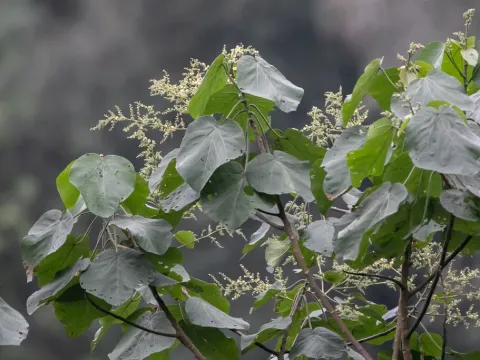
Neoboutonia
Neoboutonia
Neoboutonia is a genus of tropical trees belonging to the family Euphorbiaceae. Naturally occurring in the equatorial and tropical forests of Africa, these plants thrive in warm and humid environments, often dominating secondary forest growth.
What the section contains


Neoboutonia
The trees are characterized by their rapid growth rate, making them highly efficient colonizers of disturbed forest areas. They require high levels of atmospheric moisture and well-drained soil substrates to achieve optimal biomass accumulation.
The ideal climatic conditions for Neoboutonia involve a consistent tropical climate characterized by minimal seasonal temperature fluctuations. In forestry practices, the plant is highly valued for its ability to rehabilitate degraded land.
The root system is robust and shallow, which allows the tree to capture nutrients from the organic litter layer effectively. Light exposure is a crucial factor; while saplings show some tolerance to shade, adult specimens require ample sunlight to maintain vigorous growth.
Soil requirements focus on fertility and drainage. The plant does not tolerate waterlogging; therefore, in areas with heavy or clay-based soils, proper drainage management is essential to prevent root diseases.
The economic utility of Neoboutonia is primarily focused on the timber industry. In various African regions, the wood, known for being lightweight and relatively soft, is utilized for manufacturing shipping crates, boxes, and basic furniture components.
Beyond timber, the species serves as a significant honey plant. The floral resources provided by Neoboutonia attract numerous pollinators, which supports the local beekeeping industry within its native range.
In the context of agroforestry, Neoboutonia is utilized as a fast-growing species for establishing protective windbreaks. This helps mitigate soil erosion caused by wind, particularly in agricultural settings adjacent to forest zones.
While some indigenous practices involve the traditional use of bark or leaves for local remedies, these applications require further rigorous scientific evaluation to confirm their efficacy and safety.
Timber harvesting is managed through selective logging protocols, ensuring that the forest ecosystem remains resilient and that the species can regenerate naturally without exhausting local populations.