
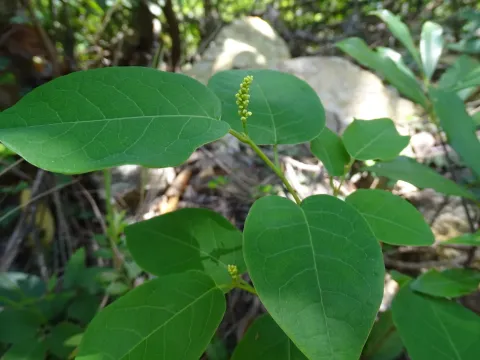
Neoshirakia
Neoshirakia
Neoshirakia, specifically Neoshirakia japonica, is a woody perennial shrub belonging to the Euphorbiaceae family. Native to the East Asian regions, it is recognized for its unique botanical features and potential industrial utility.
What the section contains

Neoshirakia
The plant grows as a deciduous shrub, often reaching heights of several meters. It is characterized by leaves that turn brilliant red during the autumn season, making it a subject of interest for ornamental landscaping.
Botanically, the species is known for producing a milky sap, a typical trait of the Euphorbiaceae family. This sap is part of the plant's defense mechanism against various environmental stressors.
The fruits of Neoshirakia are capsule-like and contain seeds rich in oils. These fatty acids are the primary reason for the agricultural interest in this species as a non-food technical oil crop.
Propagation is generally performed through seeds, which require specific environmental conditions for germination. Successful cultivation relies on understanding the plant's natural habitat cycle and reproducing it in controlled settings.
Neoshirakia thrives in fertile, well-drained loamy soils. It is essential to ensure that the site does not have waterlogging issues, as the root system is sensitive to excessive moisture and hypoxia.
The plant prefers a temperate climate. While mature shrubs can endure colder temperatures, young plants are susceptible to frost and should be protected during their first few years of growth to ensure survival.
Sunlight exposure is a critical requirement for Neoshirakia. It performs best in full sun to partial shade, where it can maximize photosynthesis for robust branch development and fruit production.
Standard agricultural practices for Neoshirakia involve consistent fertilization. Nitrogen-based fertilizers are recommended during the early spring growth flush, while potassium supports the hardening of wood before winter.
Pruning is an important agrotechnical task. Regular shaping and the removal of dead or crossing branches help maintain plant vigor and improve air circulation, which is vital for disease prevention.
Fungal diseases represent a major threat to Neoshirakia, particularly in environments with high humidity. Powdery mildew is common during humid summers, covering leaves with a white fungal layer.
Pest pressure is primarily driven by sucking insects such as aphids and scale insects. These pests feed on the nutrient-rich phloem sap, potentially causing yellowing and stunted growth if left unmanaged.
Integrated pest management (IPM) is highly recommended for commercial or garden stands. This includes the use of horticultural oils and specific biological controls to minimize the need for heavy chemical intervention.
Root rot, often caused by poor drainage, is a significant danger that can lead to the sudden collapse of the shrub. Assessing soil structure prior to planting is the best preventative strategy against this issue.
Monitoring the undersides of leaves and the junction of branches is essential for early detection. Maintaining clean growing areas by removing debris reduces the overwintering capacity for many pathogens.