
Nodding spurge
Euphorbia nutans
Description
Growing requirements
Nodding spurge (Euphorbia nutans) is an annual herbaceous plant belonging to the Euphorbiaceae family. Originating from North America, it has spread globally, often becoming an invasive weed that competes with various agricultural crops for nutrients and sunlight.
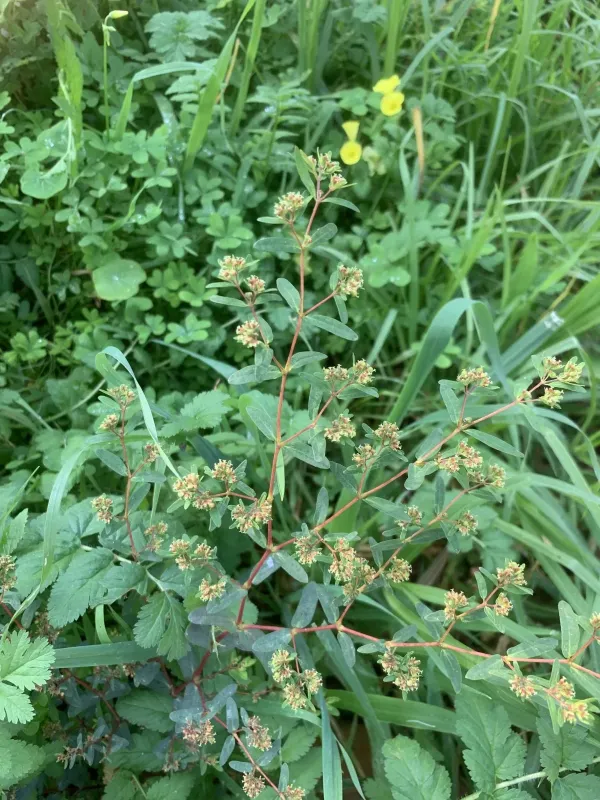
The plant is characterized by its branching stems, which often exhibit a reddish hue, and its opposite, serrated leaves. A defining feature of this species is the milky latex sap contained in all parts of the plant, which can be irritating or toxic to livestock if ingested in significant quantities.
Regarding environmental requirements, nodding spurge thrives in warm climates with adequate moisture. It is particularly problematic in spring-sown crops, as its seeds germinate rapidly when soil temperatures range from 15 to 25 degrees Celsius, allowing it to establish itself early.
The species is highly adaptable to various soil types, although it prefers well-drained, fertile environments. Its deep taproot allows the plant to withstand temporary drought conditions, making it a persistent competitor in both irrigated and rain-fed farming systems.
Agricultural use for this plant is virtually nonexistent; instead, it is classified as a troublesome weed. It interferes with harvesting processes and can lower the quality of harvested grain, making robust control measures essential for maintaining high farm productivity.
Main diseases and pests
Effective management of nodding spurge relies on integrated weed management strategies. Mechanical control, such as timely cultivation and inter-row hoeing, is most successful when performed before the plant develops a deep root system or enters the flowering stage.
The plant is susceptible to several pathogens, including rust fungi and powdery mildew. While these diseases can reduce the overall health of the weed population, they are rarely effective at eliminating the weed entirely, thus requiring chemical intervention.
Various insect pests, including aphids and leafhoppers, may colonize nodding spurge. Because these pests can act as vectors for viral pathogens, the presence of the weed in or near agricultural fields significantly increases the risk of virus transmission to cultivated crops.
Chemical control involving systemic herbicides is widely used in commercial farming. Application should ideally be timed during the vegetative growth phase before the plant sets seeds to ensure that the active ingredients effectively translocate to the taproot, preventing regrowth.
Strict hygiene practices are crucial to preventing the spread of nodding spurge seeds. Cleaning farm machinery between field operations and maintaining clean buffer zones are critical steps in preventing the introduction of this weed into new, previously uninfested areas.