
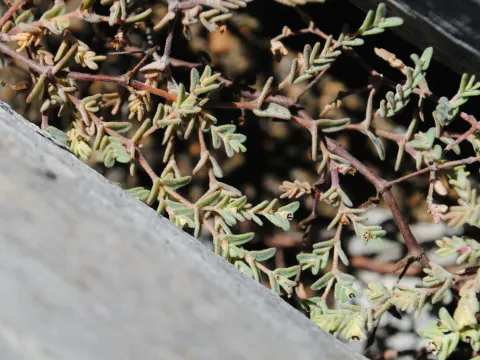
Hidden spurge
Euphorbia abdita
The sowing of Euphorbia abdita is primarily performed in the spring, once soil temperatures reach 10-12 degrees Celsius at the required planting depth.
What the section contains
Hidden spurge
In temperate climate zones, the optimal sowing period is the second half of April, which allows the plants to establish well before the peak of summer heat.
Seeds should be sown in rows with a spacing of 45-60 centimeters between them to ensure adequate room for root system development and plant maturation.
It is crucial to keep the sowing depth between 2-3 centimeters; sowing deeper can significantly reduce germination rates due to the small size of the seeds.
Light soil compaction after sowing is highly recommended to improve seed-to-soil contact and ensure uniform seedling emergence across the field.
Hidden spurge thrives in well-lit locations and prefers light, sandy, or sandy-loam soils that offer excellent aeration and drainage properties.
While the plant exhibits notable drought tolerance, access to consistent moisture during the flowering phase is essential for maximizing seed yield.
Soils with a neutral to slightly alkaline pH are ideal for this species, as they support nutrient uptake and minimize the incidence of soil-borne diseases.
Heavy or waterlogged clay soils should be avoided at all costs, as stagnant moisture quickly leads to root rot and poor plant development.
The application of balanced phosphorus and potassium fertilizers can significantly enhance stem strength and overall plant vigor during the growing season.
Hidden spurge is susceptible to various fungal diseases, including leaf rust, which tends to proliferate in conditions of high humidity and poor ventilation.
Insect pests, such as spider mites and aphids, can cause substantial damage in dry spells, necessitating regular monitoring of the crop canopy.
Root rot remains a major threat, particularly when crop rotation practices are neglected or if irrigation levels are not properly managed according to soil type.
Weed management is vital during the early vegetative stages, as the plant establishes itself relatively slowly and struggles to compete with faster-growing weeds.
Implementing strict sanitation practices, such as removing infected plant debris, helps to mitigate the risk of pathogen spread within the field.
The harvesting process begins when the seed capsules reach maturity, indicated by a deep brown color and the early stages of natural dehiscence.
Timely harvesting is critical to prevent significant yield losses resulting from the natural shattering and dispersal of seeds in the field.
A two-phase harvesting method, involving windrowing followed by threshing once the plant material is sufficiently dry, is commonly employed for efficiency.
Post-harvest processing includes thorough cleaning of seeds to remove plant debris, followed by drying until moisture levels drop to 10-12 percent for storage.
The remaining biomass can be mechanically incorporated into the soil as organic matter, which contributes to long-term soil fertility and structure.