
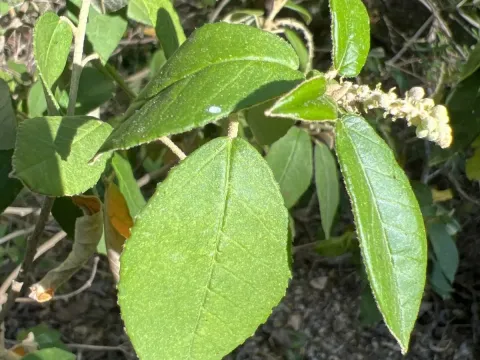
Croton cortesianus
Croton cortesianus
Croton cortesianus is a perennial shrub belonging to the Euphorbiaceae family. Originating from the tropical regions of Mexico and parts of Central America, it is adapted to harsh, sunlight-exposed environments and rocky terrains.
What the section contains
Croton cortesianus
Botanically, it is characterized by its resilience to heat and its ability to thrive in well-drained, sandy soils. Its structural integrity allows it to withstand long periods of drought, which is a key adaptation in its native distribution areas.
The cultivation of this crop requires specific environmental conditions, primarily high temperatures and full sun exposure. Soil preparation should focus on maximizing drainage, as the species is highly susceptible to root damage caused by waterlogging.
Regarding agrotechnical practices, proper spacing is essential to facilitate adequate airflow, reducing the risk of pathogen accumulation. Regular monitoring of nutrient levels ensures steady growth and the synthesis of bioactive compounds within the foliage.
Host plant usage is primarily focused on the extraction of pharmaceutical-grade compounds. The plant is traditionally utilized for its chemical properties, which remain a subject of interest for modern biotechnology and phytotherapy research.
The crop is vulnerable to various fungal pathogens, specifically those that thrive when humidity levels are not properly managed. Leaf spots and powdery mildew are the most common field observations.
Pests such as spider mites and aphids are frequently encountered during the growing season. They tend to congregate on the undersides of leaves, causing structural damage and reducing the overall photosynthetic capacity of the plant.
Root system issues can arise from nematode infestations in sandy soils. Implementing a rigorous soil health management program is necessary to protect the plant from below-ground biotic stress.
Biological control agents and integrated pest management (IPM) strategies are recommended to maintain the safety of the medicinal end-product.
Maintaining a clean cultivation area and removing weed competitors effectively reduces the pressure from pests and diseases, ensuring higher yields of quality plant material.