
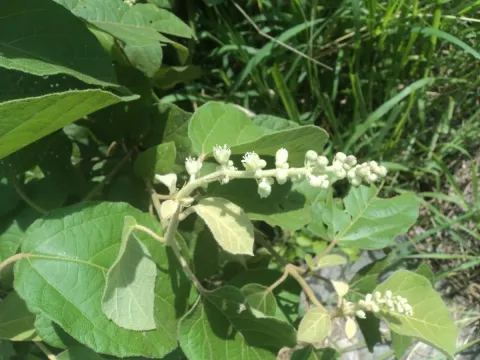
Croton aromaticus
Croton aromaticus
Croton aromaticus is a perennial shrub belonging to the Euphorbiaceae family. In its natural habitat, the plant propagates through seeds, which develop within small capsules following the flowering period.
What the section contains
Croton aromaticus
For cultivation, seeds should be sown in a well-draining, nutrient-rich substrate. The ideal germination temperature ranges between 22 and 25 degrees Celsius, requiring a stable tropical environment.
Pre-treatment of seeds, such as soaking, can significantly improve germination rates. Maintaining consistent soil moisture is crucial until the seedlings establish their first true leaves.
Vegetative propagation via cuttings is the preferred method for commercial farming to ensure genetic uniformity. Cuttings are taken from healthy mother plants and rooted under high humidity conditions.
Young plants should be hardened off before being transplanted into their permanent field locations, ensuring they can withstand local environmental conditions.
As a tropical species, Croton aromaticus demands warm and sunny conditions. It is highly sensitive to cold, making it unsuitable for regions with frost or prolonged cool weather.
The plant thrives in light, loamy soils with excellent drainage. Waterlogged soil is detrimental, as it quickly leads to root rot and other fungal pathogens that can destroy the crop.
While the plant loves direct sunlight, moderate shading during the hottest hours of the day can prevent leaf scorch and improve the quality of the harvested biomass.
Regular fertilization with balanced organic matter supports vigorous growth. A steady supply of nitrogen is beneficial for leaf development, while potassium aids in overall plant resilience.
- Adequate spacing to allow airflow between plants.
- Consistent moisture management during dry seasons.
- Mulching to preserve soil temperature and humidity.
The yield of Croton aromaticus is measured by the quality and quantity of its medicinal bark, leaves, and roots. Harvesting is timed to match the peak concentration of secondary metabolites.
With proper management, a plantation can produce several harvests of foliage per season. Yield potential increases as the plant matures over its first few years.
The economic value is primarily linked to the essential oils and alkaloids extracted for pharmaceutical and cosmetic applications. High yields depend on soil fertility and light exposure.
Continuous monitoring of plant health is necessary to ensure consistent production levels throughout the growing season.
Sustainable harvesting practices, including selective pruning, help maintain the longevity of the plant and ensure future productivity.
Fungal diseases, especially those caused by high humidity, are the most significant threats to Croton aromaticus. Root rot and leaf spot are common issues in poorly ventilated plantations.
Pests like spider mites and scale insects often attack the plant during periods of drought or stress. These pests drain the plant's sap, leading to stunted growth and reduced oil content.
Integrated pest management, utilizing biological controls, is highly recommended to protect the integrity of the medicinal harvest.
Weed control is essential, as weeds compete for nutrients and create microclimates that favor fungal growth around the base of the shrub.
Early detection of infection allows for localized treatment, minimizing the need for chemical intervention and preserving the organic quality of the crop.
Harvesting should occur during the early morning hours, when the essential oils and active components are most concentrated in the plant tissues.
Care must be taken during bark extraction to avoid damaging the inner layers of the plant, which would hinder its ability to recover and continue growing.
Collected materials must be transported immediately to a processing facility to avoid premature oxidation or fermentation of the plant matter.
Drying is performed in climate-controlled environments at low temperatures to prevent the loss of volatile essential oils.
Proper storage in sealed, light-protected containers ensures the longevity and potency of the final medicinal product for market distribution.