
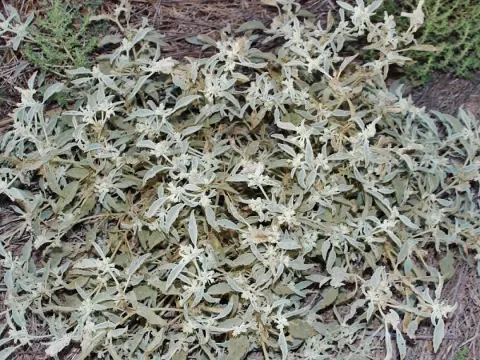
Chrozophora obliqua
Chrozophora obliqua
Chrozophora obliqua is typically propagated through seeds, which require specific temperature conditions to germinate successfully. Sowing is usually performed in the spring once the soil temperature is consistently above 15-18 degrees Celsius.
What the section contains
Chrozophora obliqua
Proper seedbed preparation is essential, as the soil should be loose and free of competitive weeds to allow the seedlings to establish themselves. The seeds are generally planted at a depth of 2 to 3 centimeters.
Soil moisture at the time of sowing must be carefully managed; while sufficient moisture is needed for germination, excessive water can cause the seeds to rot prematurely.
Spacing between rows should be adequate to provide each plant with sufficient nutrients and sunlight, preventing competition within the crop canopy during the active growth phase.
In arid climates, early sowing is recommended to ensure that the root system develops well before the onset of extreme summer temperatures and potential drought conditions.
Chrozophora obliqua is a member of the Euphorbiaceae family and is highly adapted to arid and semi-arid environmental conditions. It thrives in open, sunny locations with direct sunlight exposure.
The plant prefers light, well-drained soil textures, such as sandy loams, which prevent the risk of waterlogging. It is remarkably tolerant to low soil moisture levels once the plant is established.
Temperature plays a crucial role in the development of this species, as it requires high heat units to complete its reproductive cycle. Frost is generally detrimental to the plant at any stage of growth.
The optimal soil pH range for Chrozophora obliqua is neutral to slightly alkaline. Highly acidic soils tend to inhibit nutrient uptake and retard the overall growth rate of the plant.
While the plant is exceptionally drought-resistant, occasional irrigation during the peak growth phase can increase the overall biomass production, which is important for commercial applications.
Similar to other plants in the Euphorbiaceae family, Chrozophora obliqua contains latex-like compounds that offer a degree of natural protection against various generalist herbivorous insects.
The primary threats include subterranean pests, such as wireworms and larvae of scarab beetles, which can compromise the structural integrity of the root system during the early stages of plant development.
Fungal diseases, specifically root rot, are the most frequent issues encountered when cultivation practices involve poor drainage or prolonged exposure to high soil moisture levels.
During periods of high atmospheric humidity, powdery mildew may appear on the foliage. Maintaining adequate spacing between plants is a common preventative measure to improve airflow.
Integrated pest management, including crop rotation, is essential for maintaining field health and reducing the likelihood of pathogen buildup in the soil over consecutive growing seasons.