
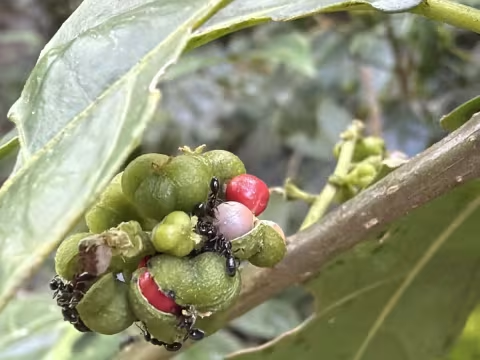
Claoxylon
Claoxylon
The genus Claoxylon belongs to the Euphorbiaceae family. It consists of various species of shrubs and small trees that are native to the tropical and subtropical regions of Africa, Asia, Australia, and the Pacific islands, representing a diverse segment of tropical forest vegetation.
What the section contains


Claoxylon
These plants thrive in environments characterized by high humidity and stable temperatures. In cultivation, they require a well-lit location that provides diffused light, as direct exposure to harsh sunlight can scorch their foliage and disrupt healthy development.
The soil requirements for Claoxylon emphasize the need for excellent drainage combined with high organic content. A loose, nutrient-rich potting mix that allows for oxygen exchange near the root zone is crucial to prevent the suffocating effects of dense or waterlogged soils.
Climate management is essential for these plants, which do not tolerate frost or cold drafts. Consistent warmth, ideally between +20°C and +28°C, is preferred to maintain active physiological growth throughout the year, making greenhouse cultivation the most reliable method.
Watering practices must balance the need for constant moisture with the prevention of fungal issues. It is advised to monitor the moisture level of the upper soil layer, ensuring it remains damp but never soggy, while maintaining high ambient humidity levels through misting or humidification systems.
Common threats to Claoxylon health include fungal infections such as leaf spots and mildew. These are often triggered by stagnant air or poor ventilation in greenhouses, necessitating regular maintenance of airflow to keep foliage dry and healthy.
Pests such as spider mites and scale insects are the primary enemies. These organisms thrive in the same warm, controlled environments where Claoxylon is grown, often leading to rapid infestation if monitoring is not strictly maintained.
Management of these threats involves proactive scouting for early signs of damage, such as leaf discoloration or sticky residues. Early intervention with neem oil or appropriate horticultural soaps can often control populations before they reach critical levels.
Root rot, driven by overwatering or poor drainage, remains the most significant risk factor. Ensuring that pots have functional drainage holes and using high-quality porous media is the most effective way to avoid this potentially fatal condition for the root system.
The overall resilience of the plant is bolstered by consistent care practices. Proper spacing between specimens is recommended to ensure each plant receives adequate light and air, significantly reducing the probability of disease outbreaks within a nursery or collection.