
Cnidoscolus
Cnidoscolus Pohl
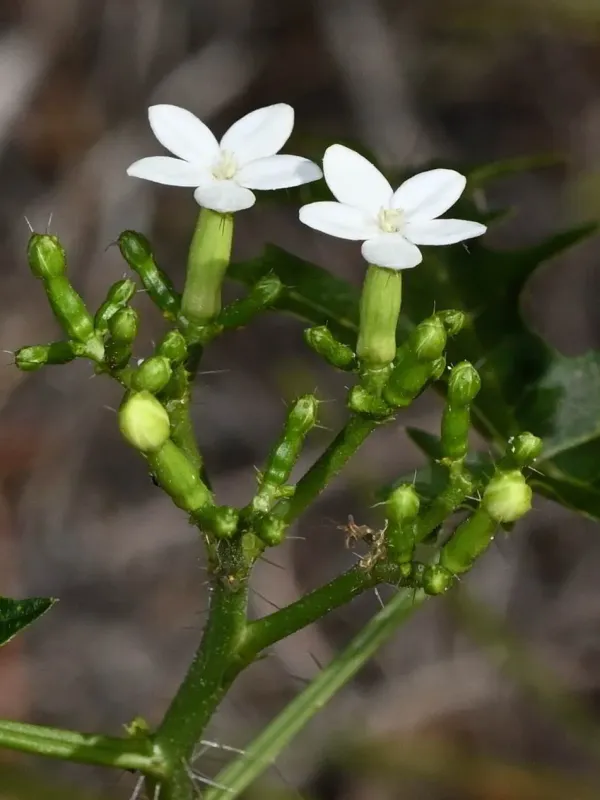
Description
Sowing dates
The propagation of Cnidoscolus, particularly the common Cnidoscolus chayamansa (chaya), is primarily achieved through stem cuttings. This vegetative method ensures the rapid establishment of new plants and genetic consistency.
Cuttings should be taken from woody stems, approximately 15–20 cm in length. It is essential to let the cuttings air-dry in a shaded area for several days to allow the cut ends to callus, which prevents decay when planted.
The ideal planting time is at the beginning of the rainy season or when temperatures are consistently warm. Soil temperature should ideally be above 20°C to encourage root development.
A well-draining, loose soil medium is necessary for successful propagation. Keeping the soil slightly moist, but never waterlogged, is crucial during the first few weeks of rooting.
While some wild species can produce seeds, domesticated varieties are usually sterile or have very poor germination rates, making cuttings the standard commercial practice.
Growing requirements
Cnidoscolus belongs to the Euphorbiaceae family. Being a tropical plant, it thrives in full sun, which is necessary for vigorous foliage production and the accumulation of nutrients in the leaves.
The crop is highly drought-tolerant once established but requires consistent irrigation during the dry season to maximize the yield of succulent, harvestable leaves.
Regarding soil preferences, it adapts well to various soil types, provided they are fertile and have excellent drainage. Heavy clay soils that retain water are unsuitable and often lead to root rot.
Temperature management is vital; the plant grows best between 22°C and 32°C. It is extremely sensitive to frost, which can kill the plant or significantly set back its growth cycle.
Regular fertilization with organic matter or balanced NPK fertilizers is recommended to maintain a steady rate of leaf growth, as the primary goal of the crop is biomass production.
Yield
Cnidoscolus is highly valued as a leaf vegetable, often referred to as "tree spinach." The leaves are rich in proteins, iron, calcium, and essential vitamins, making them a dense source of nutrition.
Safety is the most important aspect of its use: the leaves must never be eaten raw. They contain glycosides that release cyanide, which are neutralized through boiling for at least 15–20 minutes.
Yield is improved by periodic pruning, which encourages the plant to branch out and produce more young, tender leaves. A well-maintained shrub can be harvested continuously throughout the year.
The plant is perennial and long-lived. Under optimal conditions, a single plantation can remain productive for many years, providing a reliable food source in tropical climates.
In terms of agricultural management, harvesting is performed manually by picking individual leaves or young branch tips, ensuring the main plant remains intact for subsequent regrowth.
Main diseases and pests
Cnidoscolus is naturally robust against many pests due to the presence of a milky sap in its tissues, which contains specific chemical compounds that act as natural defense mechanisms.
However, under poor management or extreme environmental stress, the plants may become susceptible to aphids or spider mites, which typically target the youngest and most tender leaves.
Root rot is the most significant pathological threat. It almost always occurs due to poor soil aeration or excessive watering, highlighting the importance of site selection and drainage management.
To prevent disease spread, farmers should maintain adequate spacing between plants to ensure good airflow. Crowded plantings increase humidity and the risk of fungal infections.
Due to the crop's use as a food source, chemical pesticides are strictly discouraged. Instead, integrated pest management (IPM) techniques should be used to protect the harvest.