
Chrozophora rottleri
Chrozophora rottleri
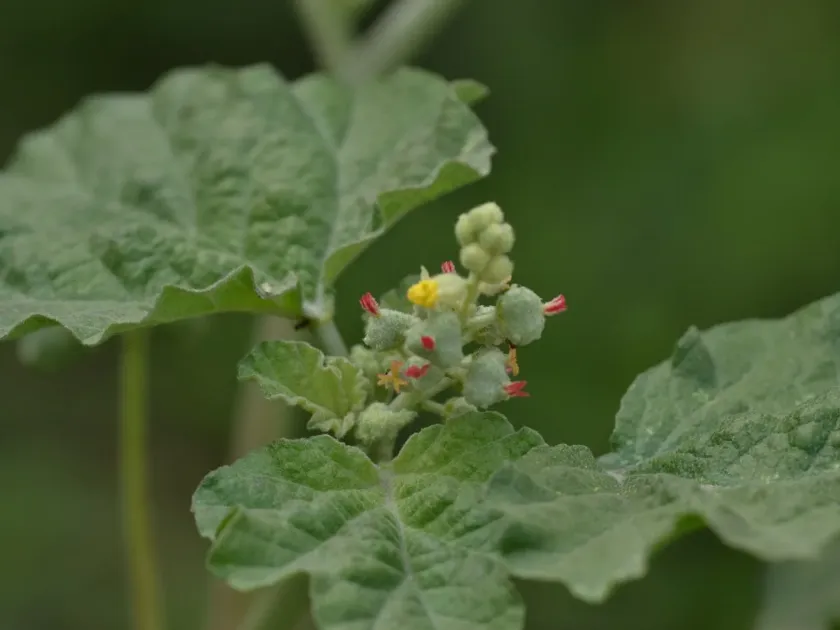
Description
Growing requirements
Chrozophora rottleri is a herbaceous member of the Euphorbiaceae family. Native to tropical and subtropical regions of Asia, this plant is well-adapted to arid and semi-arid climates, thriving in areas where most conventional crops would struggle.
The plant exhibits remarkable physiological adaptations to drought, such as dense pubescence on the foliage, which helps to minimize water loss through transpiration. This makes it a highly resilient candidate for cultivation in water-stressed regions.
To achieve optimal growth, this crop requires high solar radiation and consistently warm temperatures. It is highly sensitive to cold and frost, which limits its commercial viability to specific geographic belts with long, hot growing seasons.
Soil conditions should favor excellent drainage, as the species is prone to root rot when exposed to waterlogging. Light, sandy, or alkaline soils are ideal for supporting its deep root system and overall development.
Agronomic management is relatively straightforward, focusing on land preparation that ensures good aeration. Given its natural adaptation to poor soil fertility, the crop generally requires minimal inputs, aligning well with low-maintenance farming models.
Harvesting
The primary economic use of Chrozophora rottleri revolves around the extraction of oil from its seeds. This oil is highly valued in industrial applications, particularly as a base or additive in the formulation of paints, varnishes, and printing inks.
Harvesting timing is critical for ensuring seed quality and yield. It should occur once the capsules are fully mature and before natural dehiscence leads to seed dispersal. Early or delayed harvesting can significantly impact the final economic output.
Post-harvest processing involves drying the harvested capsules and separating the seeds from plant debris. Proper storage conditions, specifically maintaining low humidity, are essential to prevent fungal contamination of the oil-rich seeds.
In some traditions, extracts from the plant have been utilized as natural dyes. While this use is less common in industrial agriculture today, it highlights the rich chemical composition of the plant's secondary metabolites.
Yield management involves optimizing planting density to allow each plant sufficient space for canopy development. By utilizing effective harvesting techniques, producers can maintain consistent supply levels to meet the demands of the chemical manufacturing industry.